Prep Ahead
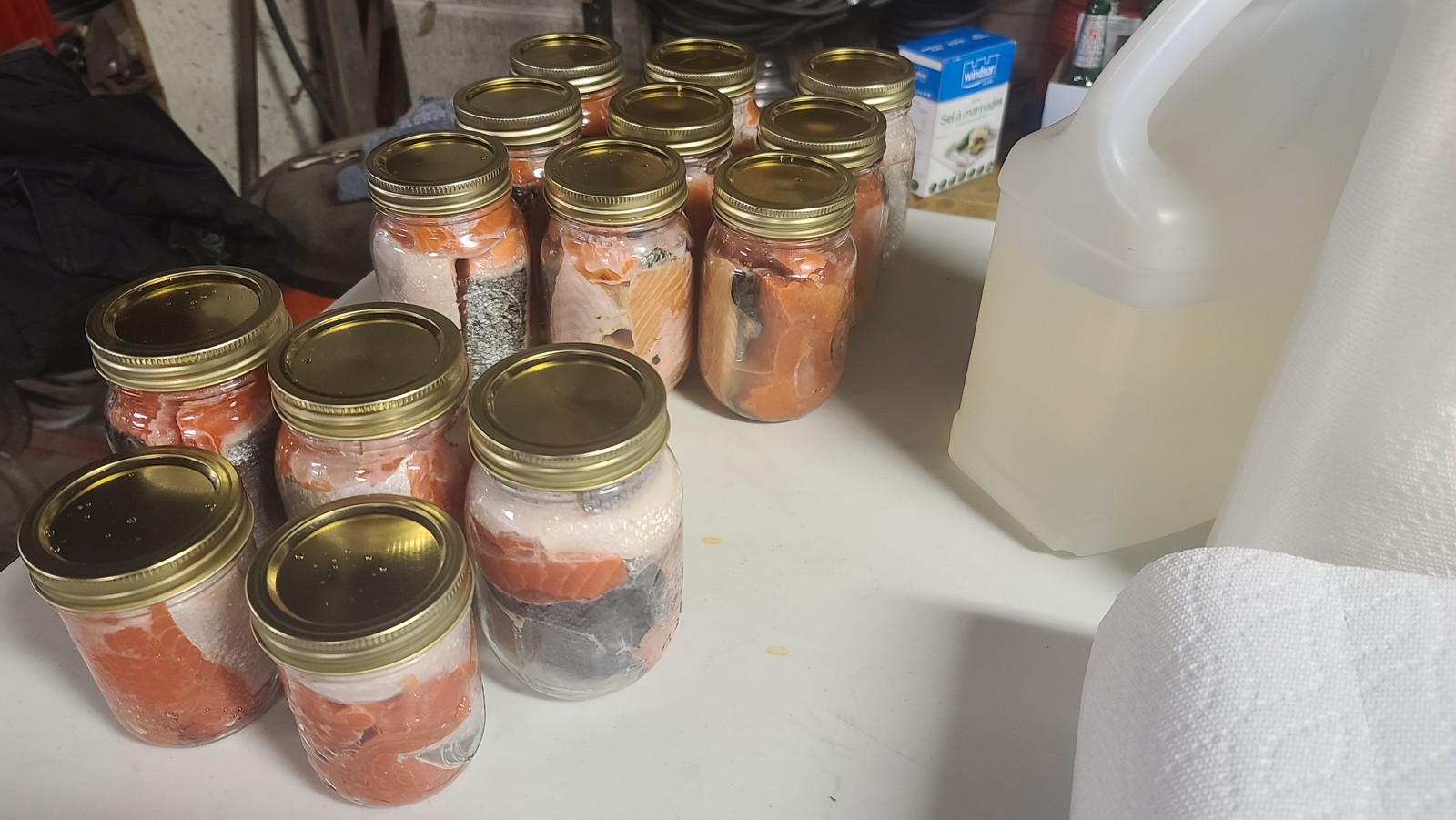
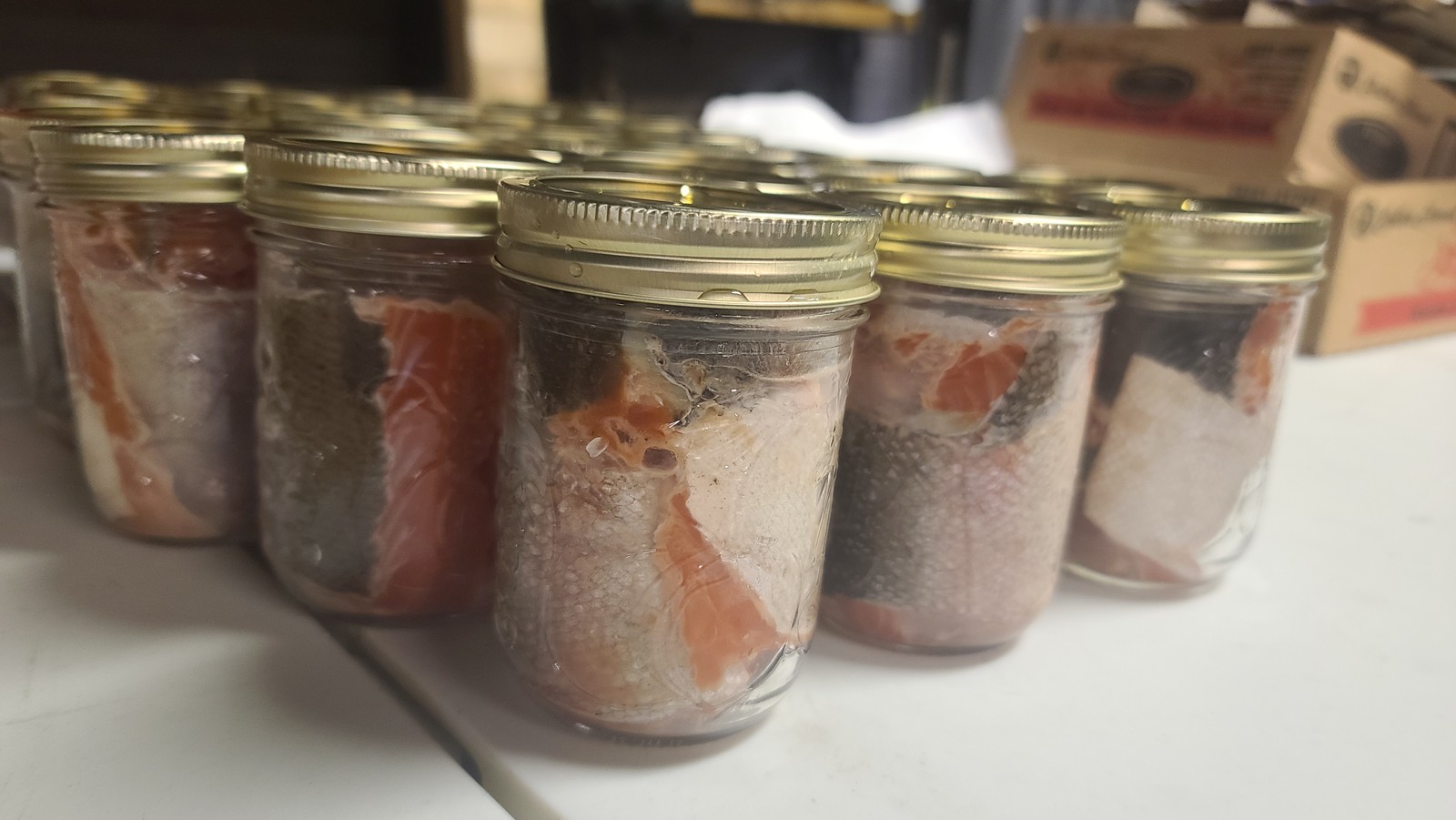
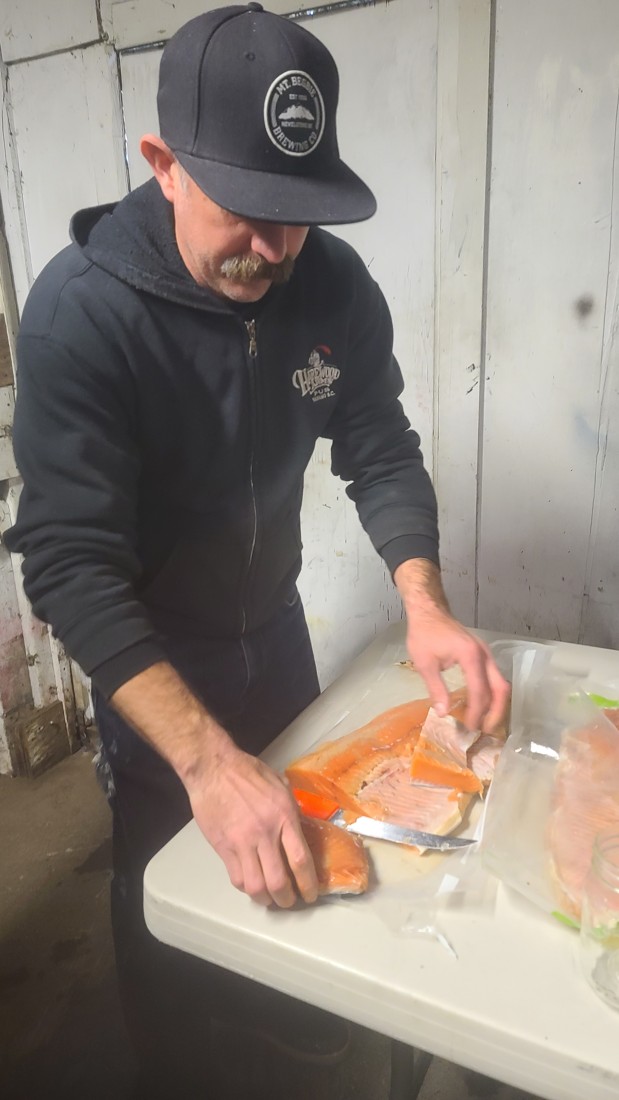
Trim, season, portion, and package before the trip so camp stays efficient instead of turning into kitchen work.
Camp + Cooking Guide
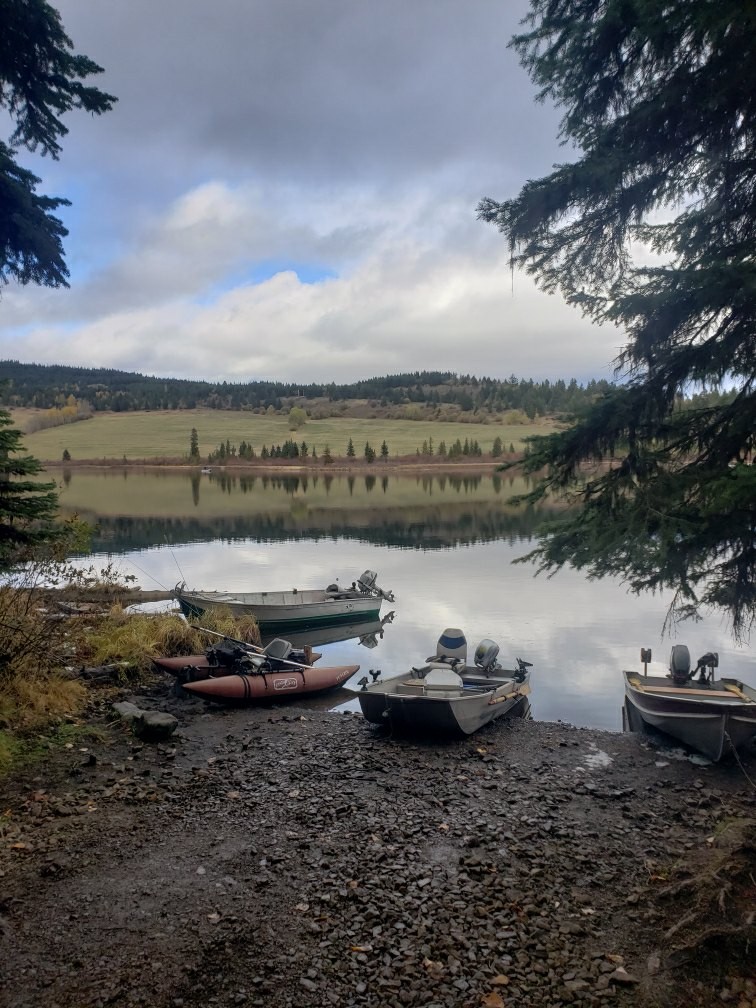
Camp meals should be simple to execute, solid enough to look forward to, and organized well enough that cooking supports the trip instead of taking it over. The best stillwater camp food starts with prep, smart portioning, and a setup that feeds the crew without slowing everything down.
Quick read
The strongest camp meal systems are the ones you can execute cleanly after a long day on the lake.
Trim, season, portion, and package before the trip so camp stays efficient instead of turning into kitchen work.
Choose meals that are easy to manage on a grill, flat top, smoker, or one-pot setup without burying camp in dishes.
The best camp meals scale well and still feel like part of the reward for putting in a full day on stillwater.
Camp meals
Camp meals should support the fishing schedule. Breakfast needs to be fast enough to keep the morning moving. Midday food needs to be easy to grab between runs, wind shifts, and depth checks. Supper is where camp can slow down and settle in, but it still helps when the hard work has already been handled at home. Meat that is pre-trimmed, ingredients that are portioned, and a menu built around real equipment make the whole camp stronger. The goal is not restaurant complexity. The goal is dependable food that feels earned and fits the rhythm of a stillwater trip.
Approach
Longer cooks work when the camp has the time, the fuel, and the plan. They create the kind of meal people remember, but they need preparation and commitment.
Shorter cooks matter just as much. They feed a crew fast, adapt well to different appetites, and keep the evening easy when weather or fatigue changes the plan.
Camp meal details
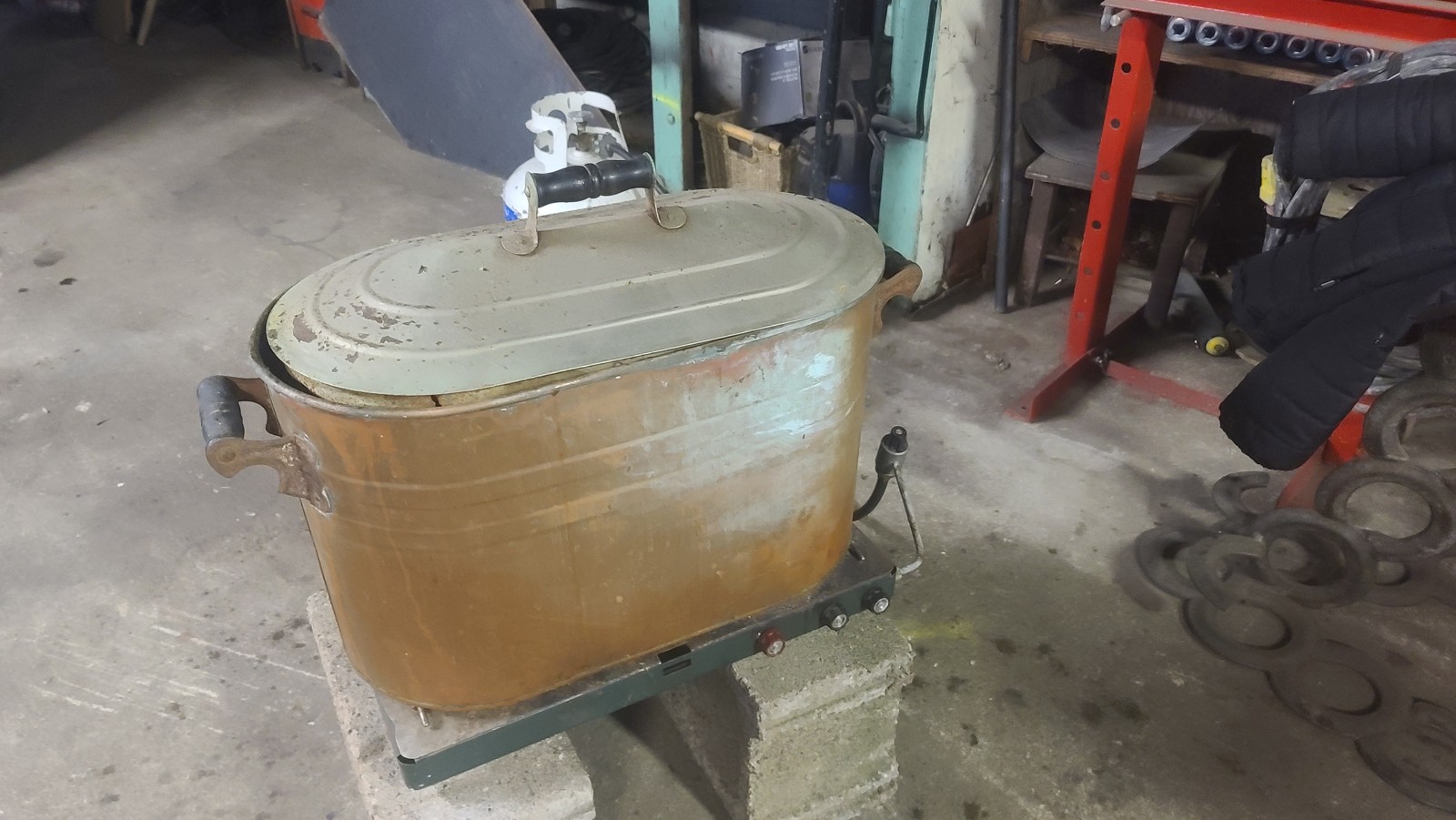
These photos reinforce the point: the quality of camp meals usually comes from what was done before the fire was ever lit.