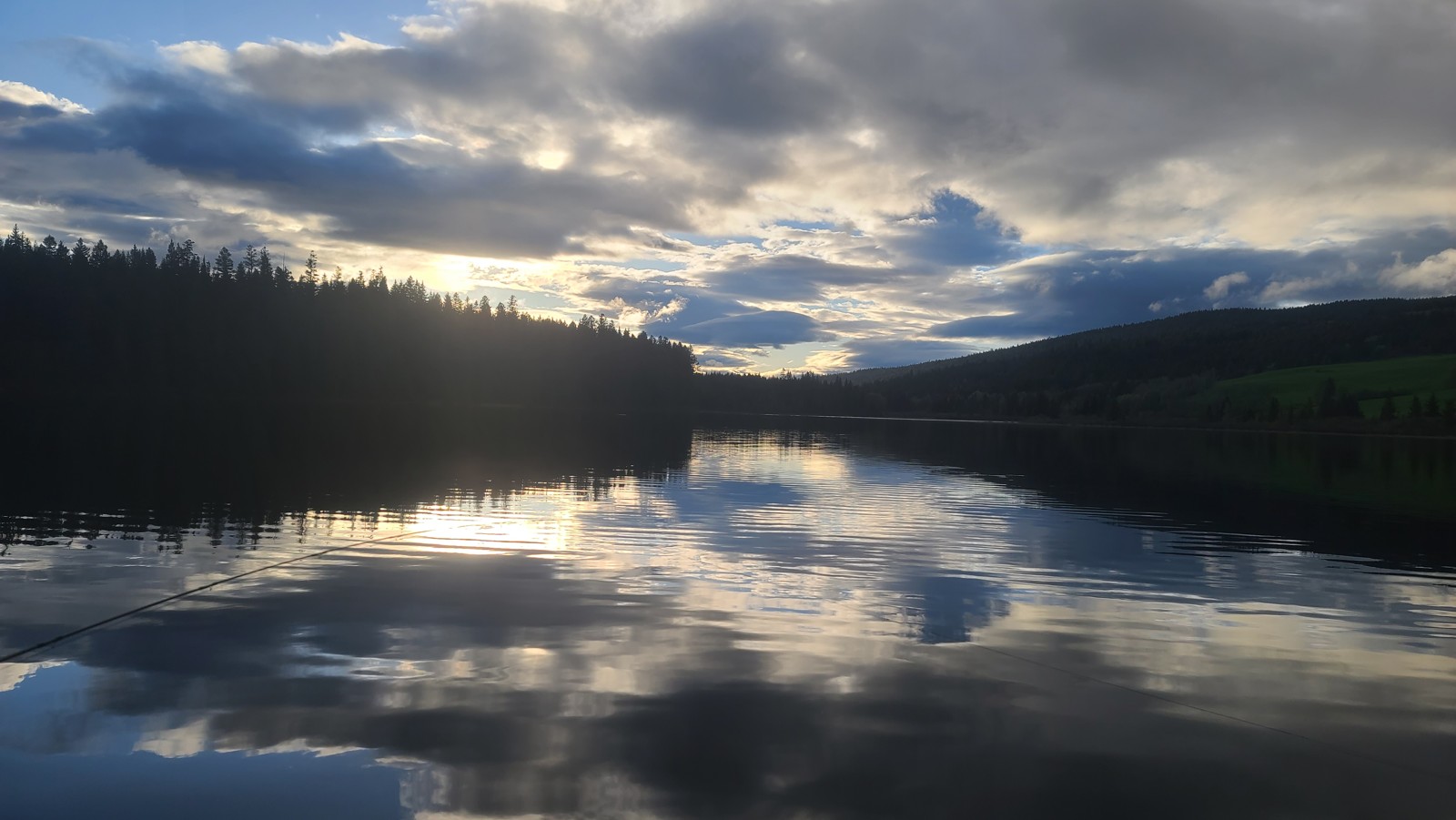
Layout
Camp works better when cooking, sleeping, firewood, and gear all have their own place instead of bleeding into each other.
Camp + Cooking Guide
Camp systems are what make a stillwater trip feel controlled instead of improvised. They determine how easily the boat launches, where gear lives, how food gets handled, and how smoothly the whole day resets once the session is over.
Quick read
A proper camp setup keeps gear organized, boats accessible, and the whole day easier to run.
Camp works better when cooking, sleeping, firewood, and gear all have their own place instead of bleeding into each other.
Boats, tackle, extra clothing, and food should be reachable without turning the shoreline into a mess.
Good camps account for rain, cold mornings, muddy shoreline launches, and the fact that stillwater trips rarely stay perfect for long.
Camp systems
Camp systems are what keep the trip from unraveling. A good camp makes launch and recovery easier, gives wet gear a place to land, keeps food and tools organized, and leaves enough order that people can actually relax. The more moving parts the trip has—boats, motors, batteries, fly lines, waders, coolers, firewood, cooking gear—the more important the setup becomes. Camp should reduce decisions, not create them. When the system is right, mornings are faster, evenings are calmer, and the whole trip feels more capable.
Flow
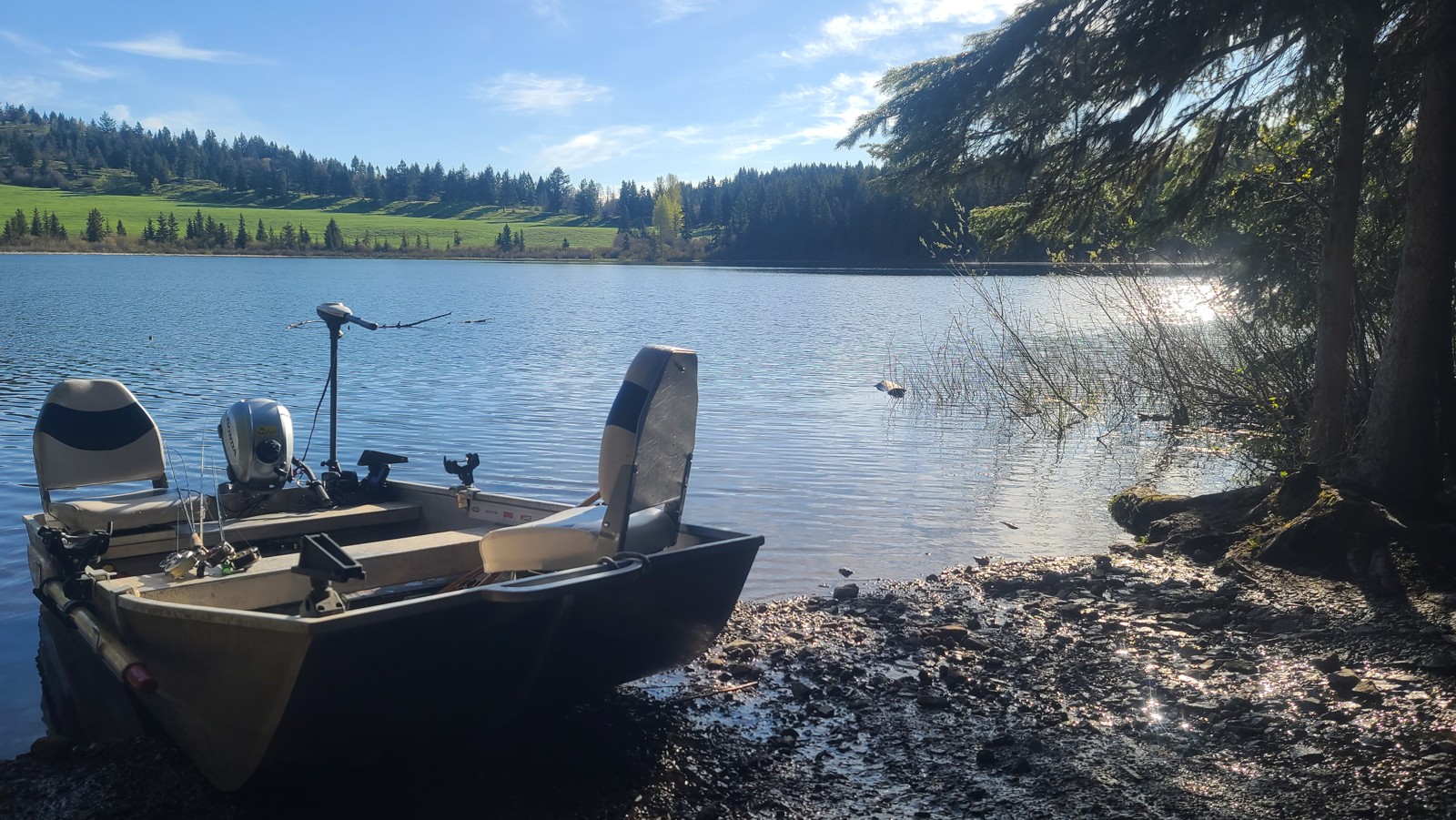
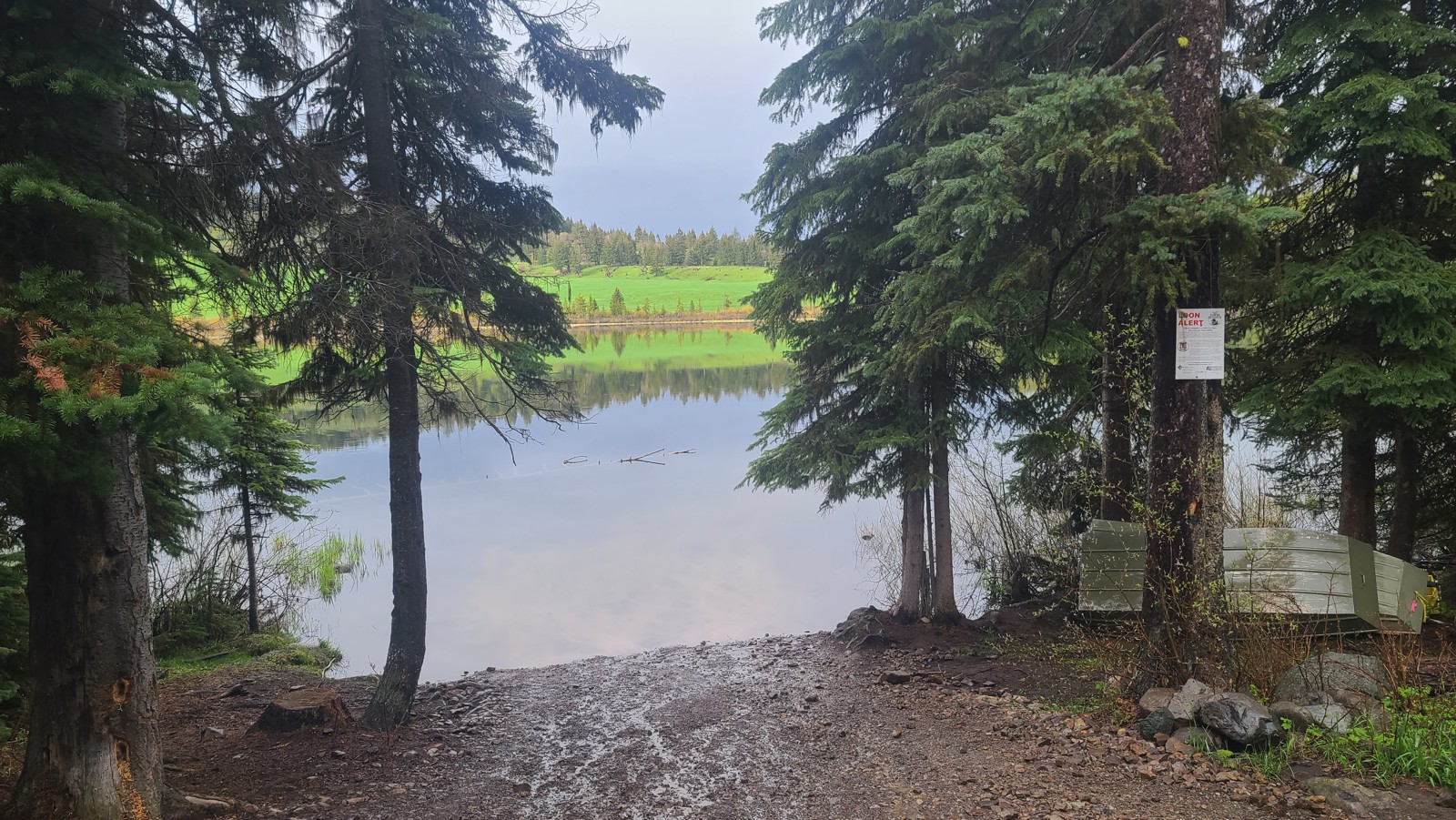
If the shoreline access is awkward, every launch and every return gets slower. Keep the path to the boat clear and the recovery area simple.
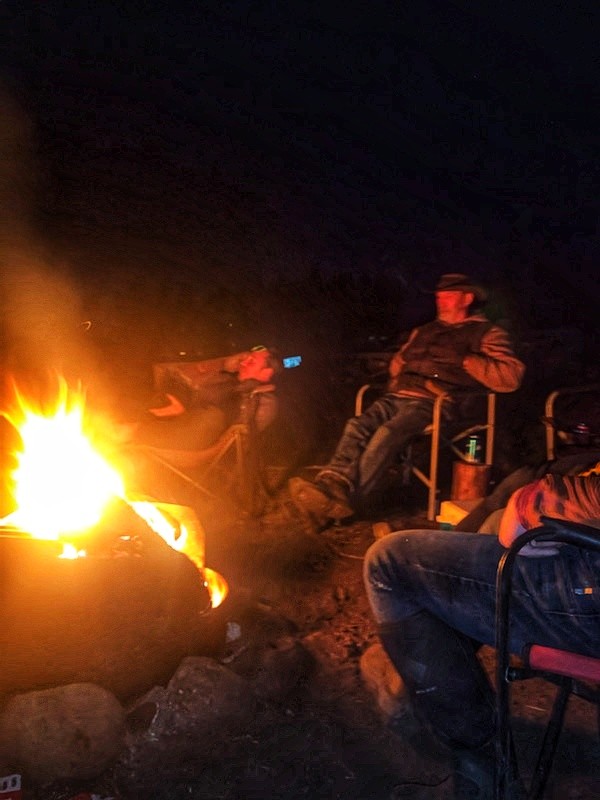
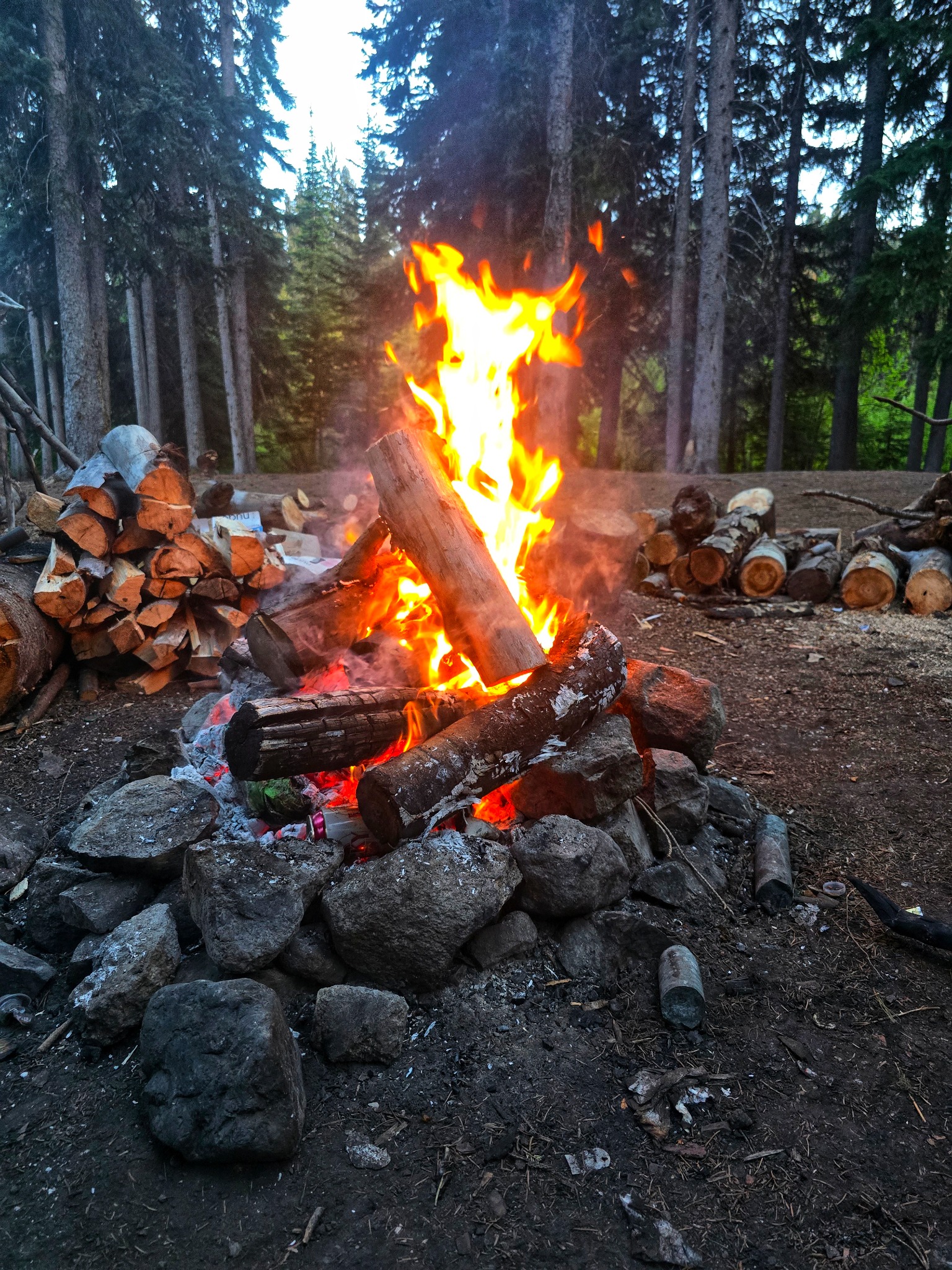
The working center of camp should hold the fire, cooking tools, food bins, seating, and the basic items everyone uses without making people cross through the sleeping area.
Camp system details
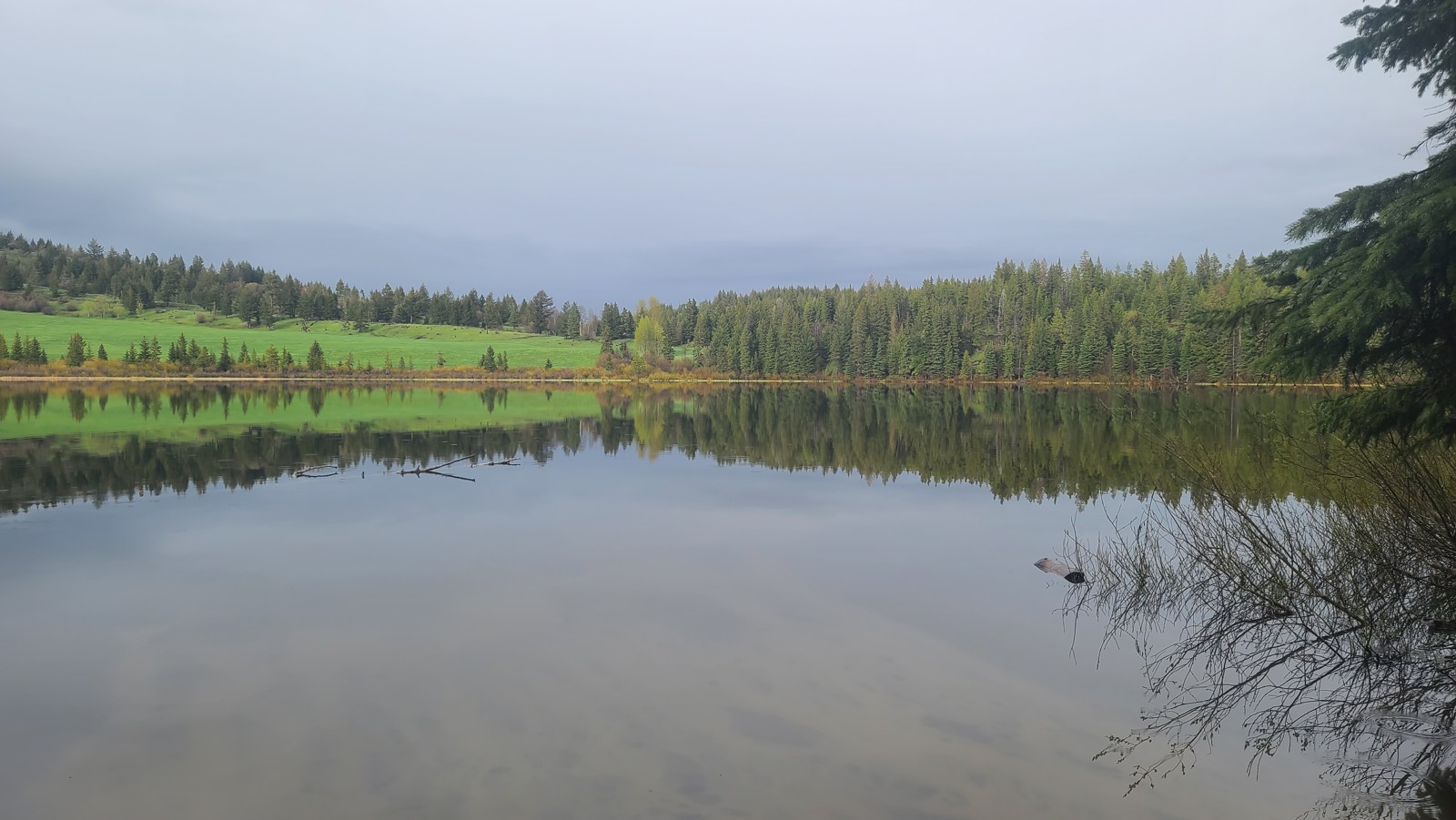
These images show how a simple camp can still feel deliberate when the access, spacing, and end-of-day workflow are thought through.