Clean Delivery
The cast should put the fly where it needs to start without creating extra slack or wasted motion.
Fishing Knowledge
Stillwater casting is not about looking flashy. It is about delivering a fly cleanly, controlling slack, keeping the line in contact with the system, and setting up the retrieve so the fly starts fishing immediately. Good casting saves time, improves depth control, and makes every presentation more deliberate.
Quick read
The cast should put the fly where it needs to start without creating extra slack or wasted motion.
Managing loose line, rod angle, and the pickup matters as much as the forward cast itself.
On a boat, the casting lane, seat position, and wind direction all shape how the cast should be made.
Casting Techniques
In stillwater, casting sits inside a larger system. The fly line, leader, wind, boat position, and target depth all affect what the cast needs to do. A strong cast begins with a clean pickup, a stable anchor point for the line, and a deliberate forward delivery that avoids shock, tailing loops, and uncontrolled slack. The goal is simple: place the fly, recover tension, and begin fishing immediately.
Casting Techniques
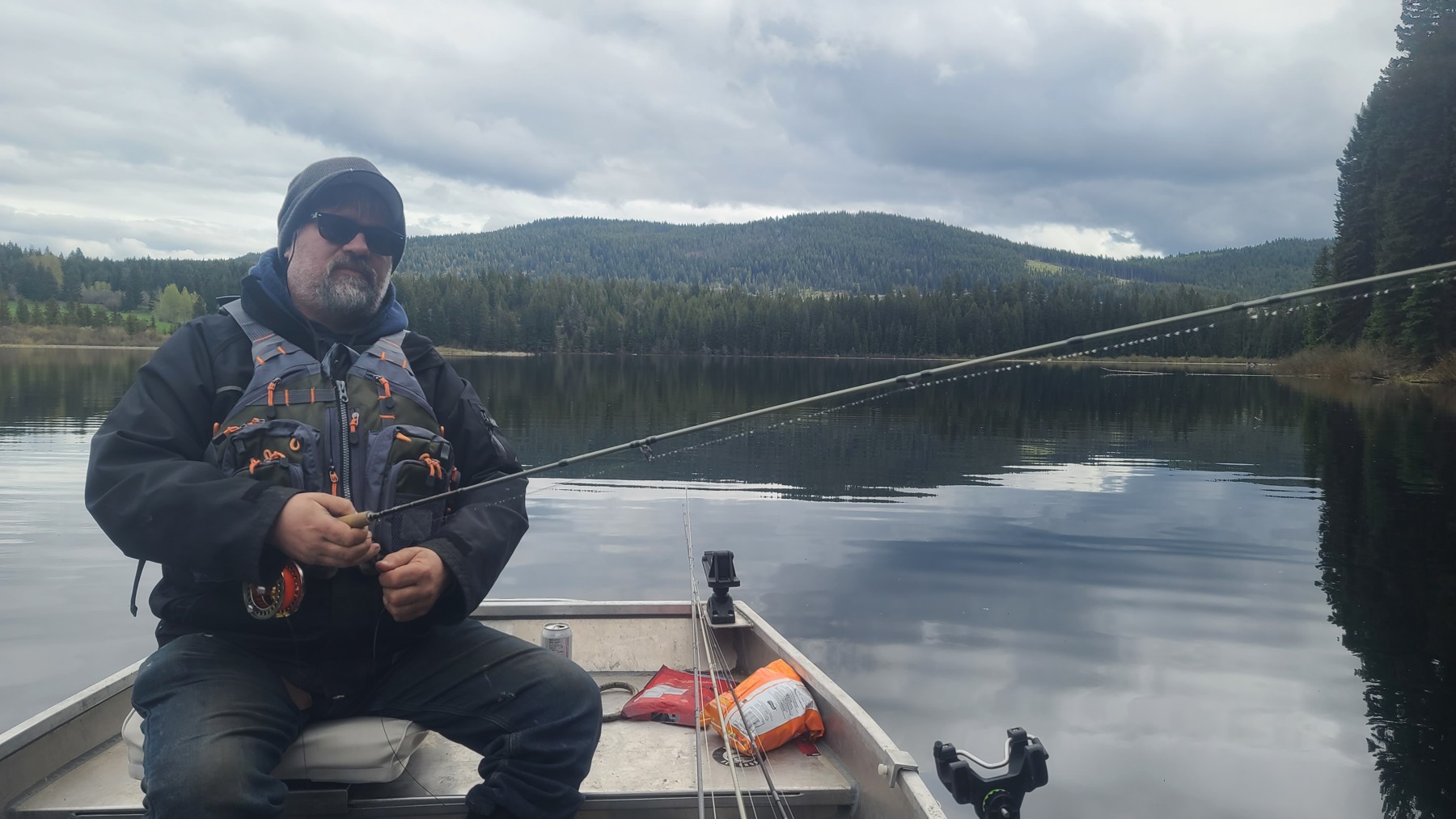
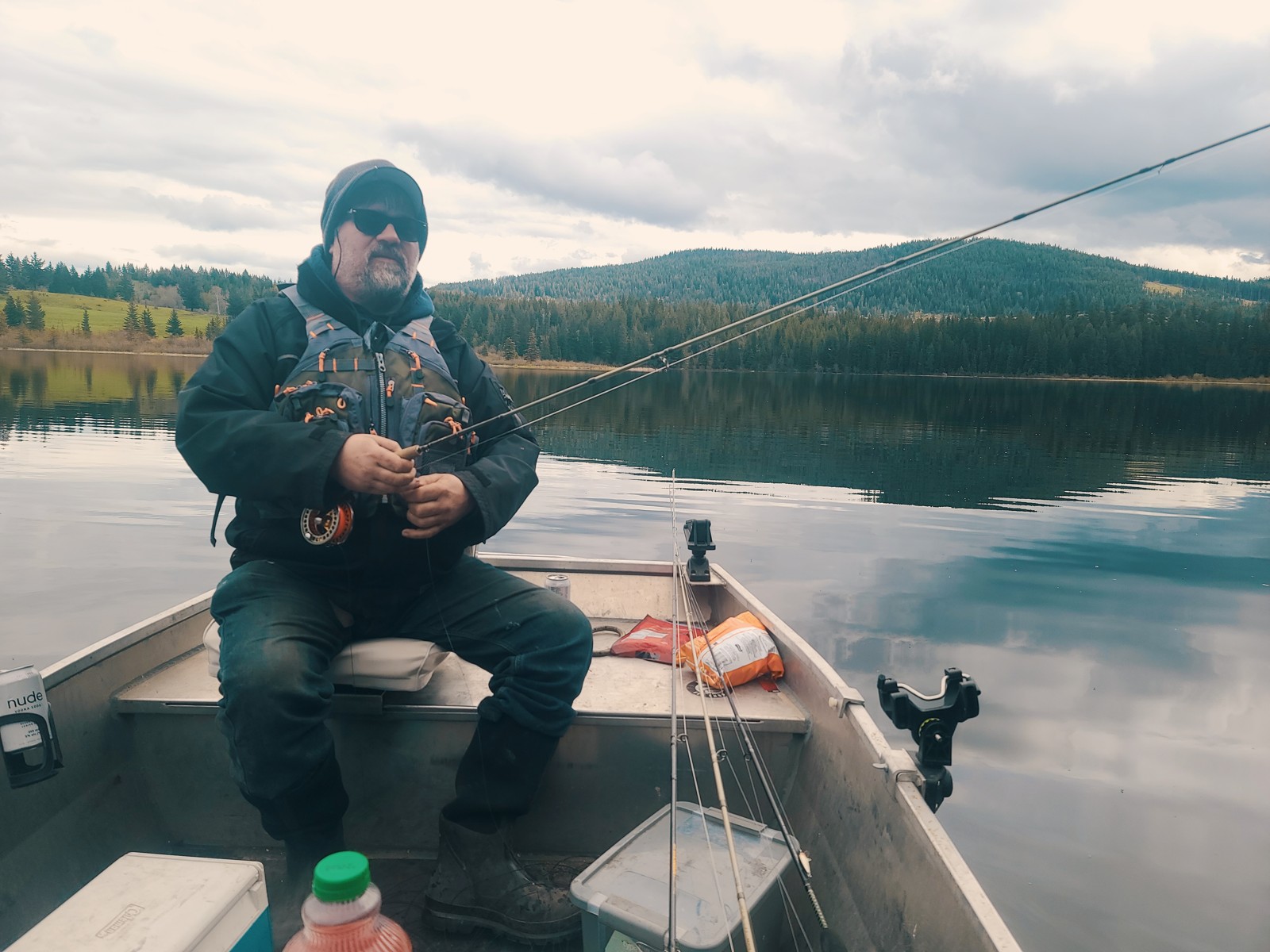
Casting from a boat asks for discipline. The gunwale, oars, rod holders, electronics, and loose line all create failure points if the cast gets too wide or too careless. That is why efficient, compact movements matter. A cast that stays controlled and repeatable is better than one that looks aggressive but constantly tangles or lands with poor line shape. Boat angle to the wind matters too. Often the smartest cast is the one that works with the drift or with the boat orientation instead of fighting both.
Casting Techniques
A cast does not end when the line lands. It only matters if it sets up the sink, swing, or retrieve correctly. If you need the fly to count down on an intermediate or sinking line, the cast should land straight enough that the line can settle cleanly. If you are fishing shallower structure, the cast should let you start moving the fly with intention right away. Good stillwater anglers cast with the next ten seconds already in mind.
Casting Techniques
Most stillwater casting problems come from rushing. Anglers overpower the back cast, start the forward stroke before the line has straightened, or ignore how much slack has collected around their feet and deck. Wind also punishes poor timing. The answer is not usually more force. It is better sequencing, cleaner line management, and a more deliberate rhythm.
On the water