Length
Nine to ten feet is the sweet spot for line control, reach, and hook-setting range.
Gear Setup
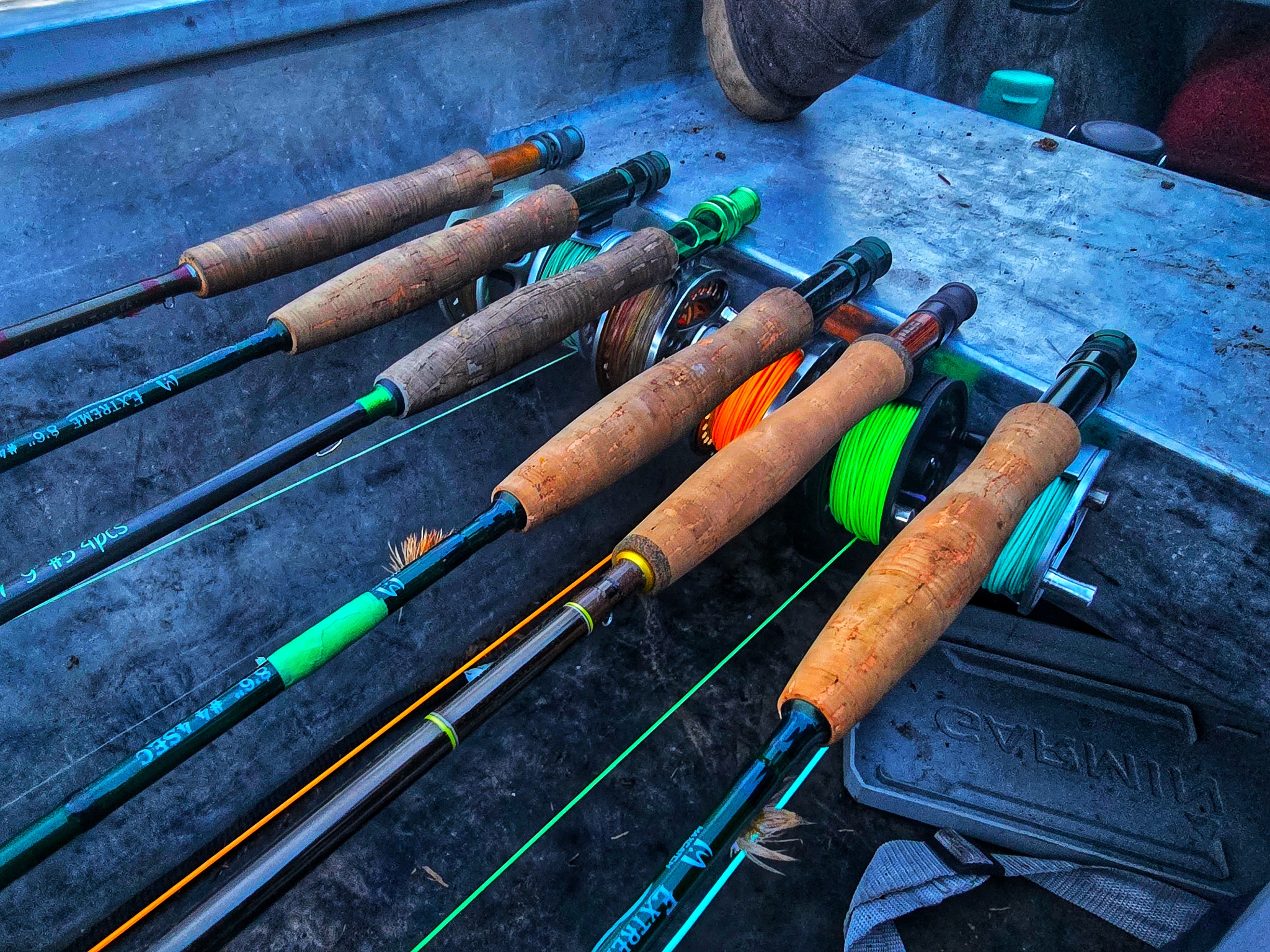
The rod is the control arm of the whole stillwater system. It manages casting, line lift, hook sets at distance, fish-fighting pressure, and the feel of the presentation. In lakes, where long leaders, wind, sinking lines, and extended line lengths are common, rod choice matters more than it first appears. Orvis recommends four- to seven-weight rods for stillwater trout, with a six-weight around nine-and-a-half to ten feet as a strong all-around choice for lakes. citeturn351853search0turn351853search8
Quick read
A stillwater rod does not need to do everything. It needs to do the important things well and consistently.
Nine to ten feet is the sweet spot for line control, reach, and hook-setting range.
Five- to seven-weight rods cover most BC stillwater trout work, with six-weight standing out as the all-around standard.
Moderate-fast to fast actions help lift sinking lines, manage wind, and stay connected on long casts.
Rods
Longer rods help pick up more line off the water, mend and reposition indicator rigs more cleanly, and maintain pressure when a fish changes direction boatside. A nine-and-a-half- or ten-foot rod also gives better leverage over long leaders and multiple-fly setups. Shorter rods can still work well, especially when casting denser sinking lines, but they give up some control.
Rods
A five-weight is lighter and more enjoyable when conditions are calm and fish size is moderate. A six-weight is the stillwater workhorse because it handles wind, larger flies, and a wide range of lines without feeling heavy. A seven-weight adds authority for bigger water, heavier sink lines, strong wind, or anglers who want more lifting power. The best choice is the rod that matches the line systems you actually fish most.
Rods
Fast rods recover quickly and help punch into wind, which is useful on open lakes. Moderate-fast rods can feel smoother and more forgiving, especially with indicator rigs or anglers who prefer a less rigid casting feel. The correct answer is not ideological. It depends on whether you prioritize raw line speed or a slightly more relaxed load profile.
Rods
When fishing indicators, the rod suspends depth and handles long leader management. When stripping, it transmits contact and controls retrieve cadence. When trolling from spot to spot, it keeps steady pressure and turns fish efficiently at distance. In all cases, the rod is not just a casting tool. It is the main control lever for the presentation.
Rods
Many anglers buy too light for the conditions they actually fish, or too short for the leaders and line lengths they use. Others choose a rod based only on casting feel in a parking lot instead of how it behaves with sink lines, wind, and real stillwater rigs. A rod should be judged on fishing performance, not showroom comfort alone.
Keep building the system
Each piece supports the next. Read them together and the logic of the stillwater system becomes much clearer.