Deck Space
Clear working space matters because fly line, nets, anchors, and loose gear punish a cluttered floor fast.
Gear Setup
A stillwater boat should feel calm, functional, and ready before the first line ever hits the water. Layout and storage are not cosmetic details. They control how quickly you move, how cleanly you fish, how safely rods ride, and how efficiently you transition from travel to launch to the next pass. The best setups are not overloaded. They are deliberate. Every seat, tray, holder, mount, and open space earns its place.
Quick read
A strong boat system removes friction from the day and lets you fish with less wasted motion.
Clear working space matters because fly line, nets, anchors, and loose gear punish a cluttered floor fast.
Tools, tackle, leaders, and electronics need to be reachable without standing up and tearing the whole setup apart.
A good layout makes launches faster, passes cleaner, and adjustments easier when conditions or fish position change.
Boat layout
Stillwater fishing creates constant small transitions. You change flies. You shift depth. You move from one contour to another. You clear line, reach for a net, reposition a rod, check the graph, and set back up for the next pass. A proper boat layout supports those actions without forcing you to dig, step over gear, or work around bad placement. Open deck space is one of the most valuable things a stillwater boat can offer because it protects the flow of the entire system.
Boat layout
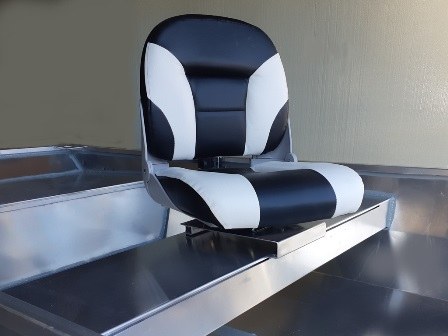
Seats are more than comfort. They determine how well you can watch electronics, manage rod angles, strip line, and stay composed through long stillwater days. A poor seat position makes the whole platform feel awkward. A stable, well-placed seat supports better posture and better awareness, which matters when trolling from point to point or working a structured edge. If the seat works, the rest of the boat begins to work around it.
Boat hardware
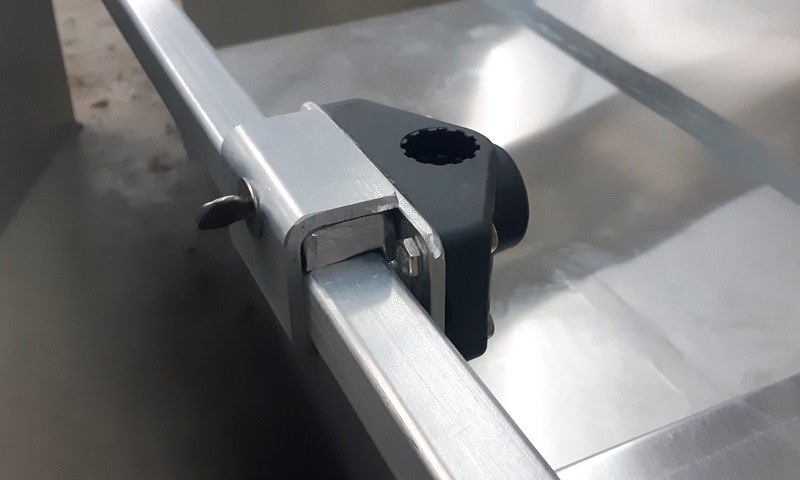
Track systems and mounting hardware matter because they let the boat evolve. Rod holders, electronics, trays, and accessories can be positioned where they actually serve the angler instead of being fixed forever in a bad spot. That flexibility is one of the biggest upgrades a stillwater boat can have. It turns a basic aluminum hull into a working fishing platform that can be refined over time rather than tolerated as-is.
Storage
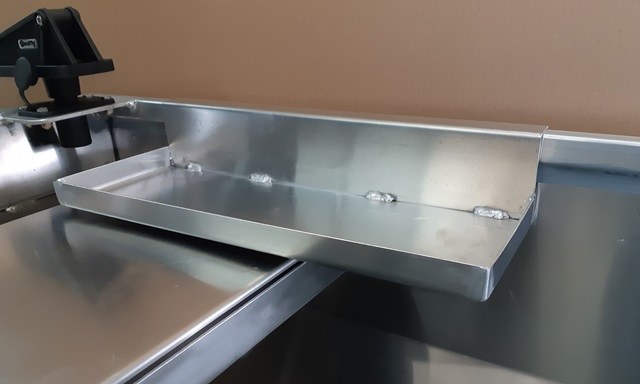
The best storage is the storage you can use without interrupting your fishing rhythm. Open trays, reachable side storage, and simple organization often outperform deep, crowded compartments because they keep the right gear available at the right time. When you are adjusting leader length, switching fly lines, retying a rig, or reaching for pliers with cold hands, speed matters. Storage should support decision-making, not slow it down.
Workflow
Layout is not only about what happens once the boat is floating. It also affects loading, trailering, launching, and shoreline prep. A well-organized boat moves from road to ramp with less stress because rods, seats, tools, and loose gear all have a home. That means fewer forgotten items, fewer tangled rod tips, and fewer wasted minutes at the access point. Good storage begins at home and proves itself at the launch.
On the water
On stillwater, organization directly affects execution. A clean boat lets you change lines faster, re-rig faster, clear tangles faster, and stay mentally ahead of the next move. It also reduces avoidable mistakes. Hooks stay off seats, fly lines stay clear of snags, and the landing zone stays open when a fish comes tight near the boat. The more serious the day becomes, the more obvious it is that layout and storage are performance tools, not side details.
Boat details
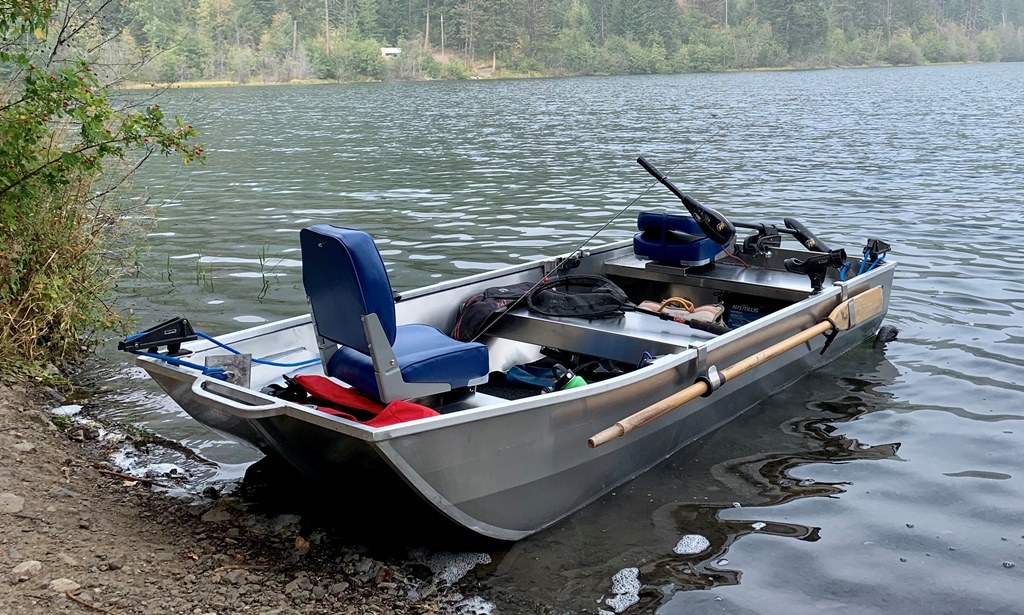
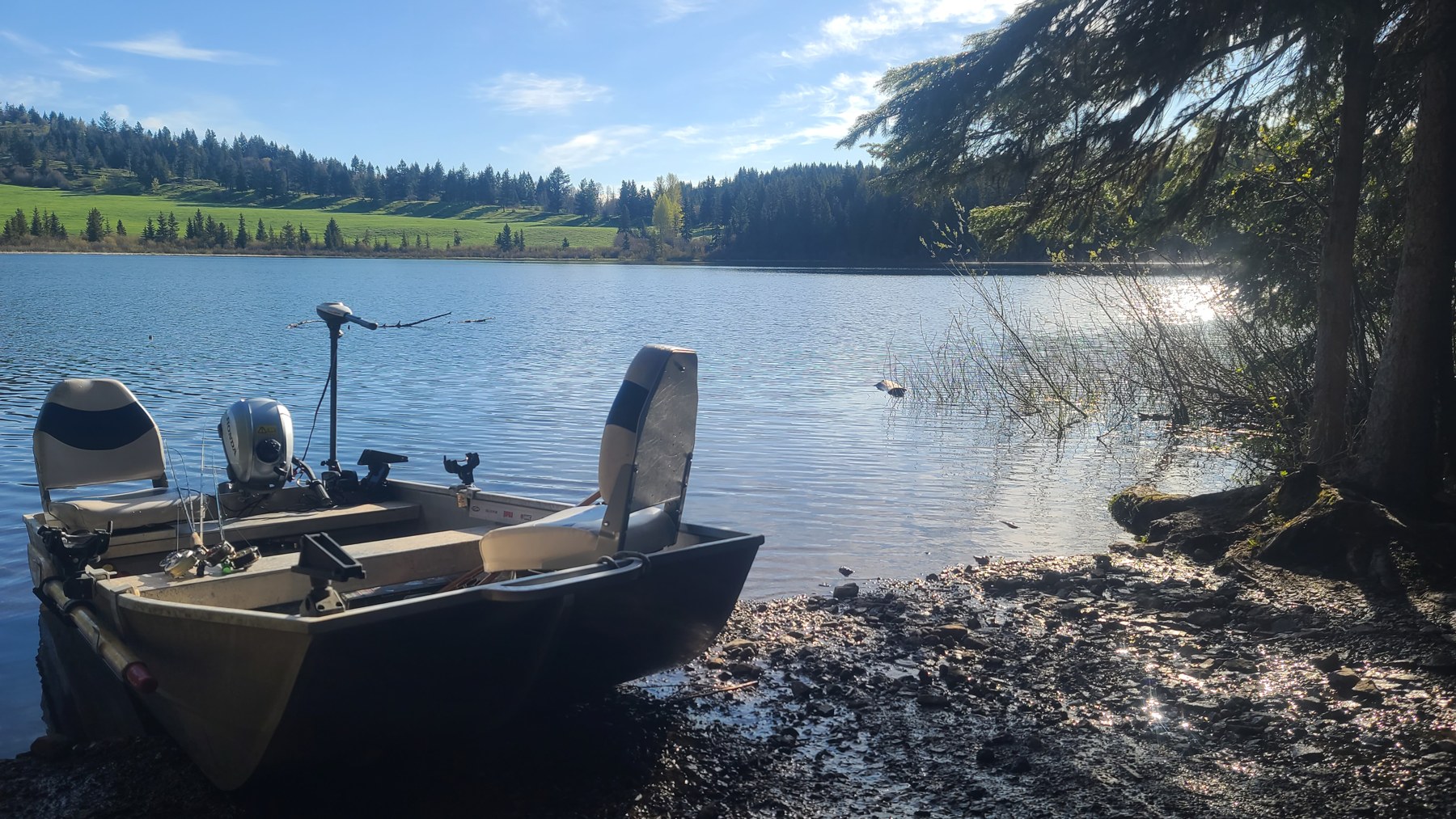
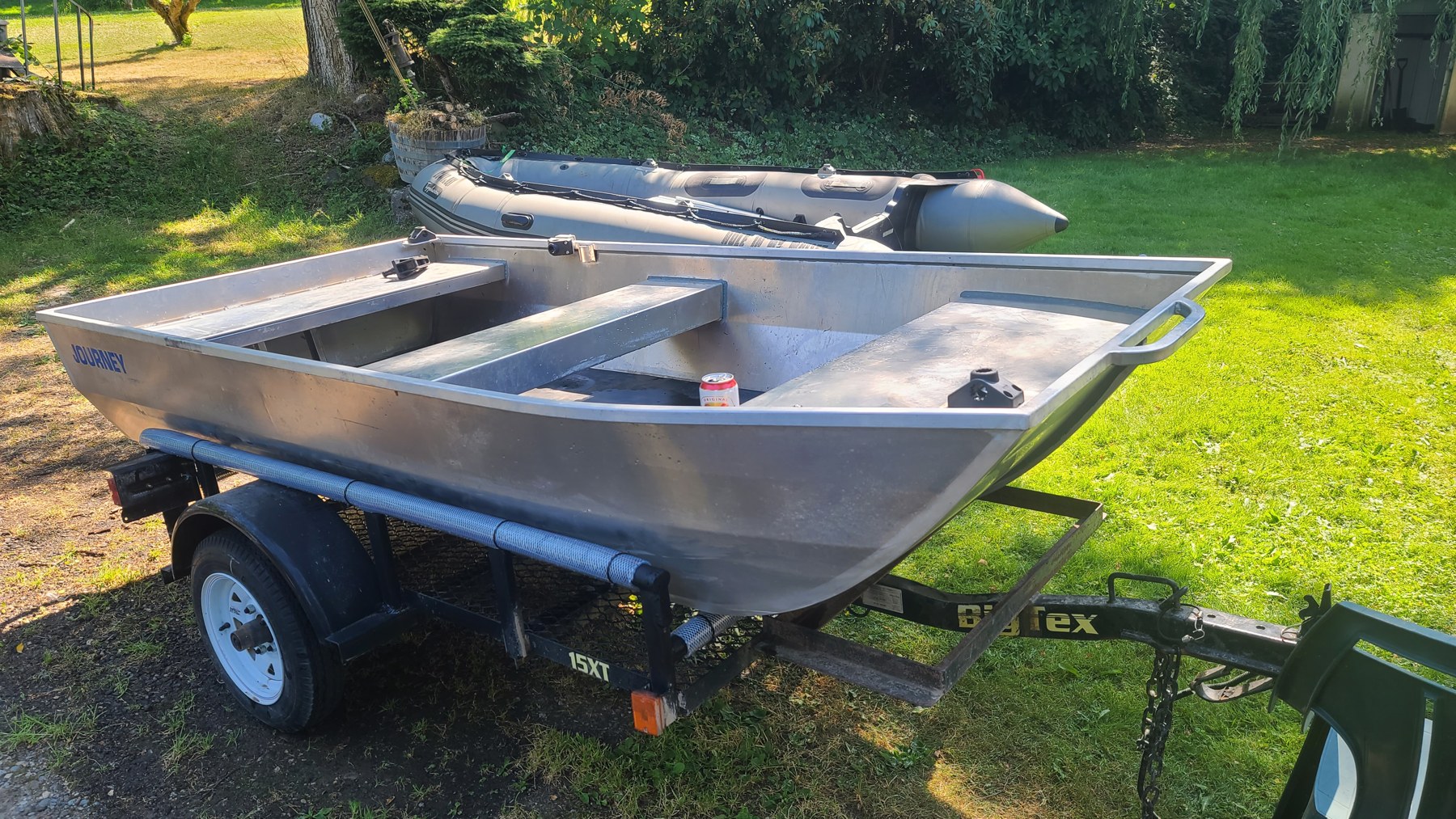
These images show the kind of real-world details that make a stillwater platform function: launch readiness, transport, seating, mounting hardware, open trays, and the way the whole system looks once it is actually in use.

Keep building the system
Gear does not stop at rods and lines. The platform and the camp around it are part of the full stillwater system.