Food
Meals should be easy to execute, satisfying, and clean enough that cooking never takes over the whole trip.
Gear Setup
Good stillwater camp life is not accidental. It comes from simple systems that keep the crew fed, the camp organized, and the evenings easy after long hours on the water. Camp is part of the full fishing experience, not a separate category from it. It affects energy, morale, timing, comfort, and how ready everyone is when the next morning begins. The best camps feel relaxed because the work behind them is organized.
Quick read
The strongest camp setups do not need to be complicated. They need to be dependable.
Meals should be easy to execute, satisfying, and clean enough that cooking never takes over the whole trip.
When tools, ingredients, coolers, and cleanup gear each have a place, camp runs with far less stress.
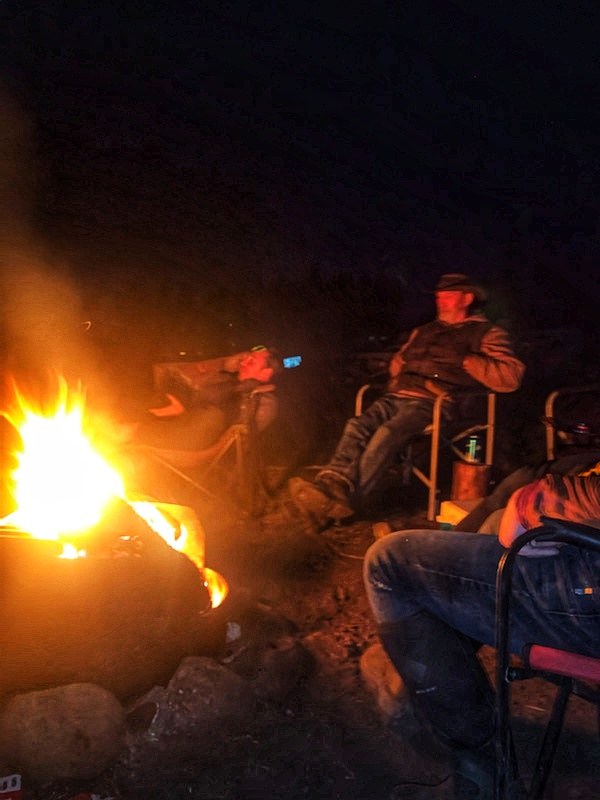
The fire, the lake, and the evening rhythm are part of what make stillwater trips memorable in the first place.
Camp systems
The best camp kitchens are built on repeatability. Prep surfaces stay clear. Tools are close. Ingredients are already portioned. Meals are chosen because they work well outdoors and scale easily for a crew. That keeps evenings enjoyable and mornings efficient. Good camp food does not have to be elaborate to be memorable, but it does need a system behind it if you want the whole trip to feel smooth instead of scrambled.
Camp systems
Camp always gets easier when the work is done before the trip. Pre-portioned ingredients, labeled containers, separated seasonings, and clear cooler organization reduce waste and shorten every meal window. That matters because lake days are already full. The more efficiently food is stored and staged, the more time the crew keeps for actual fishing, boat prep, and relaxed time at the shoreline instead of hunting through bins or improvising a meal from a mess.
Camp life
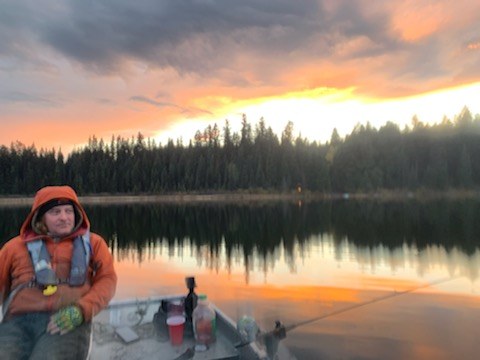
Camp life matters because it changes the tone of the whole trip. The fire, the evening light, the conversation after the session, and the quiet of the water after sunset become part of the memory of the day. This is also when gear dries, leaders get changed, plans get made, and the crew resets for the next morning. A strong camp supports both recovery and preparation without feeling busy or overbuilt.
Essentials
Reliable cooking gear, dry storage, layered clothing, organized lighting, and a simple cleanup system are the things that keep camp from slowly falling apart. These are not glamorous details, but they determine whether camp still feels good on day two or day three. The goal is not to bring everything. The goal is to bring the right things and keep them in order so camp stays calm, usable, and worth coming back to after a full day on the water.
Why it matters
Stillwater fishing is often won by consistency. Good mornings, clean launches, solid meals, and well-managed evenings all support that consistency. When camp is organized, anglers start the next day sharper. When camp is sloppy, the trip gradually loses pace. Camp life is not separate from performance. It is one of the things that quietly shapes it.
Camp details
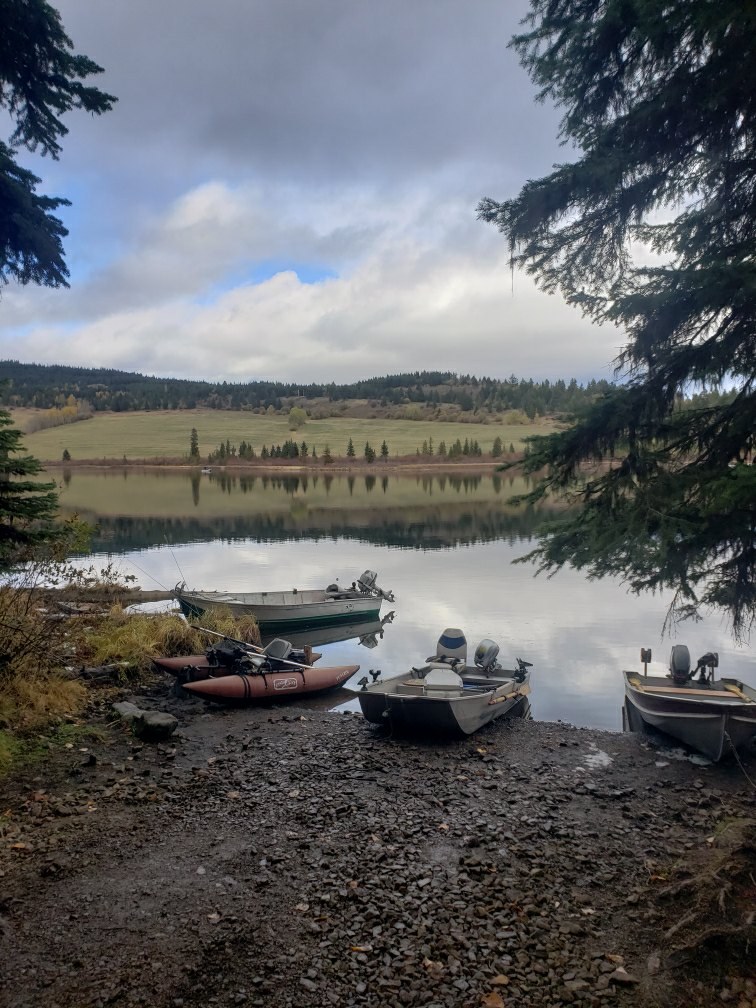
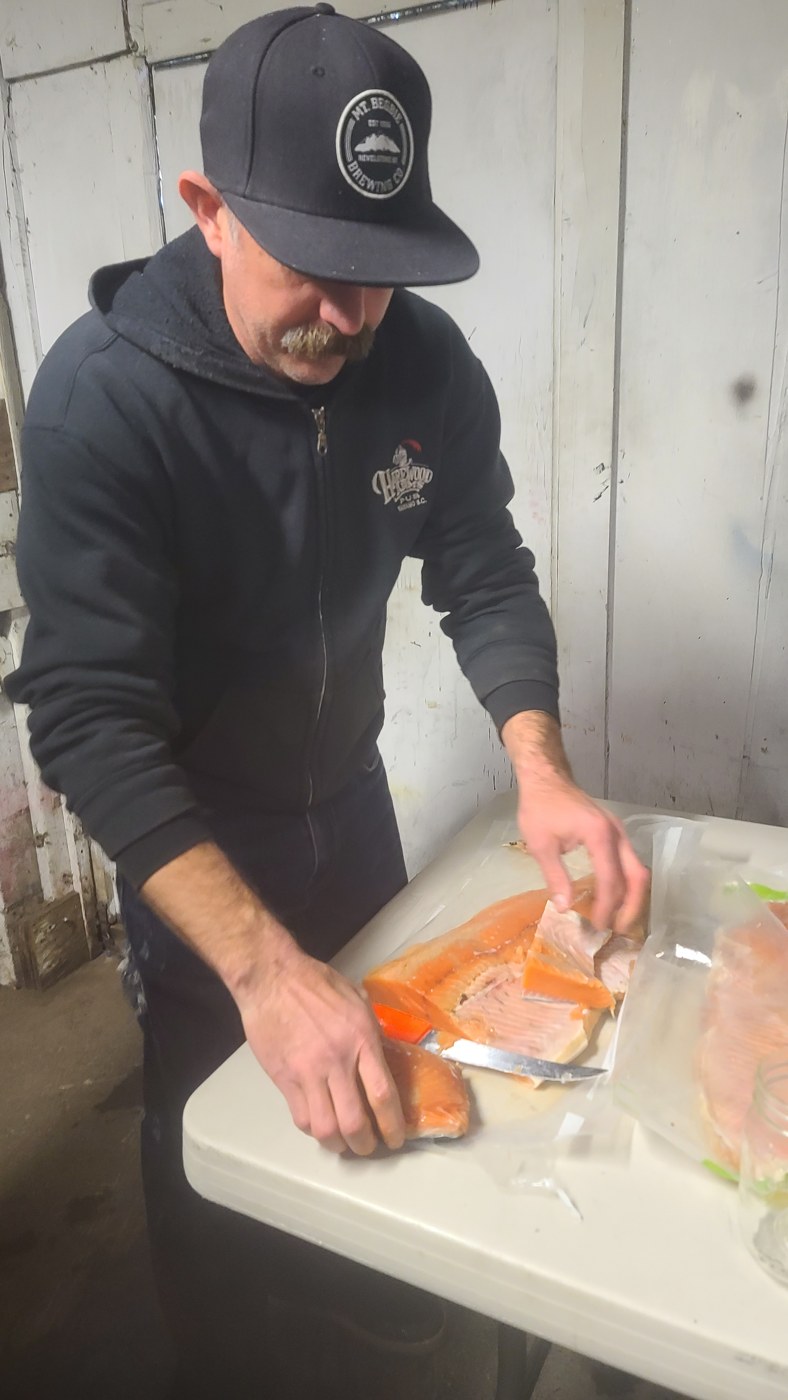
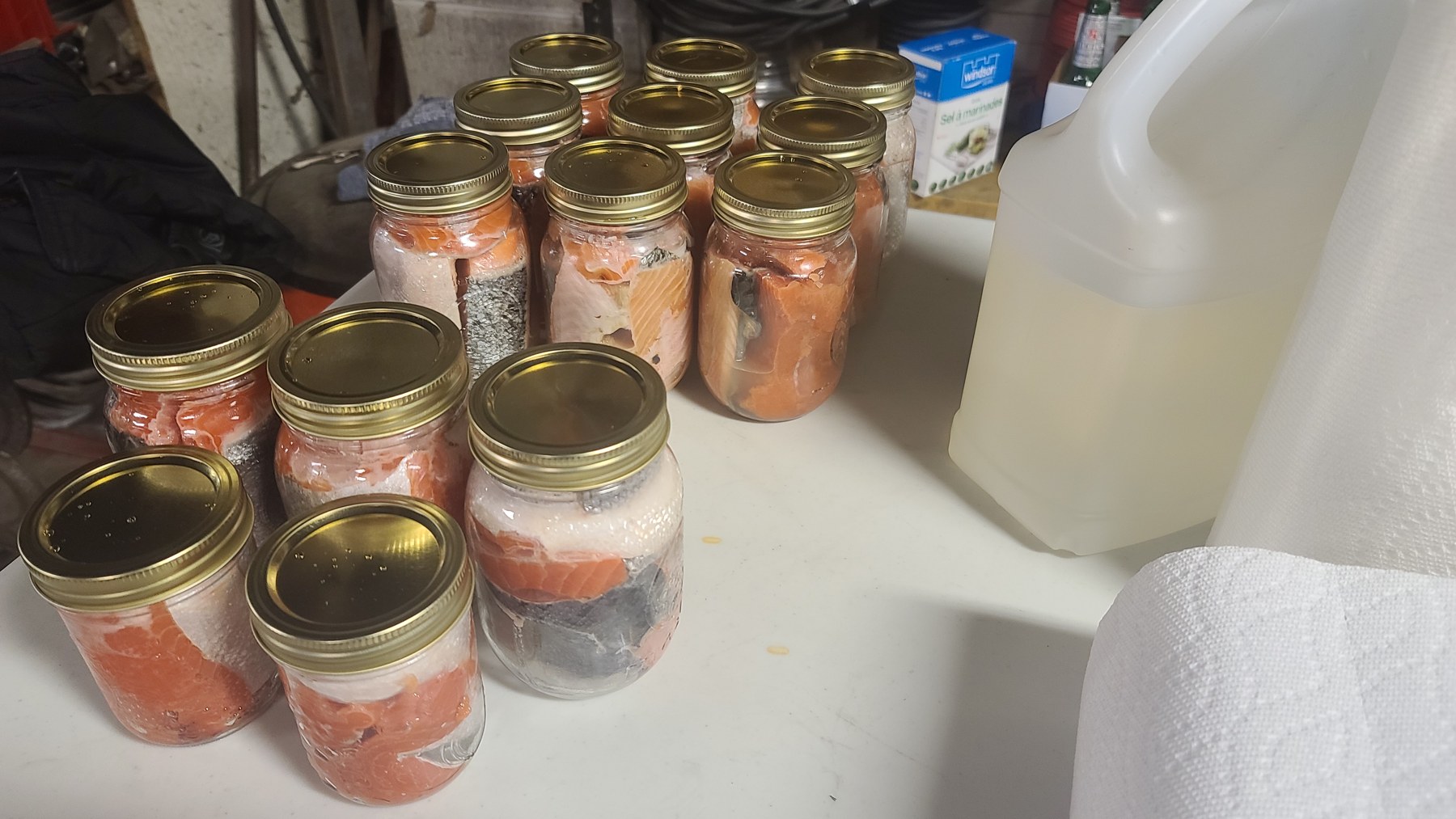
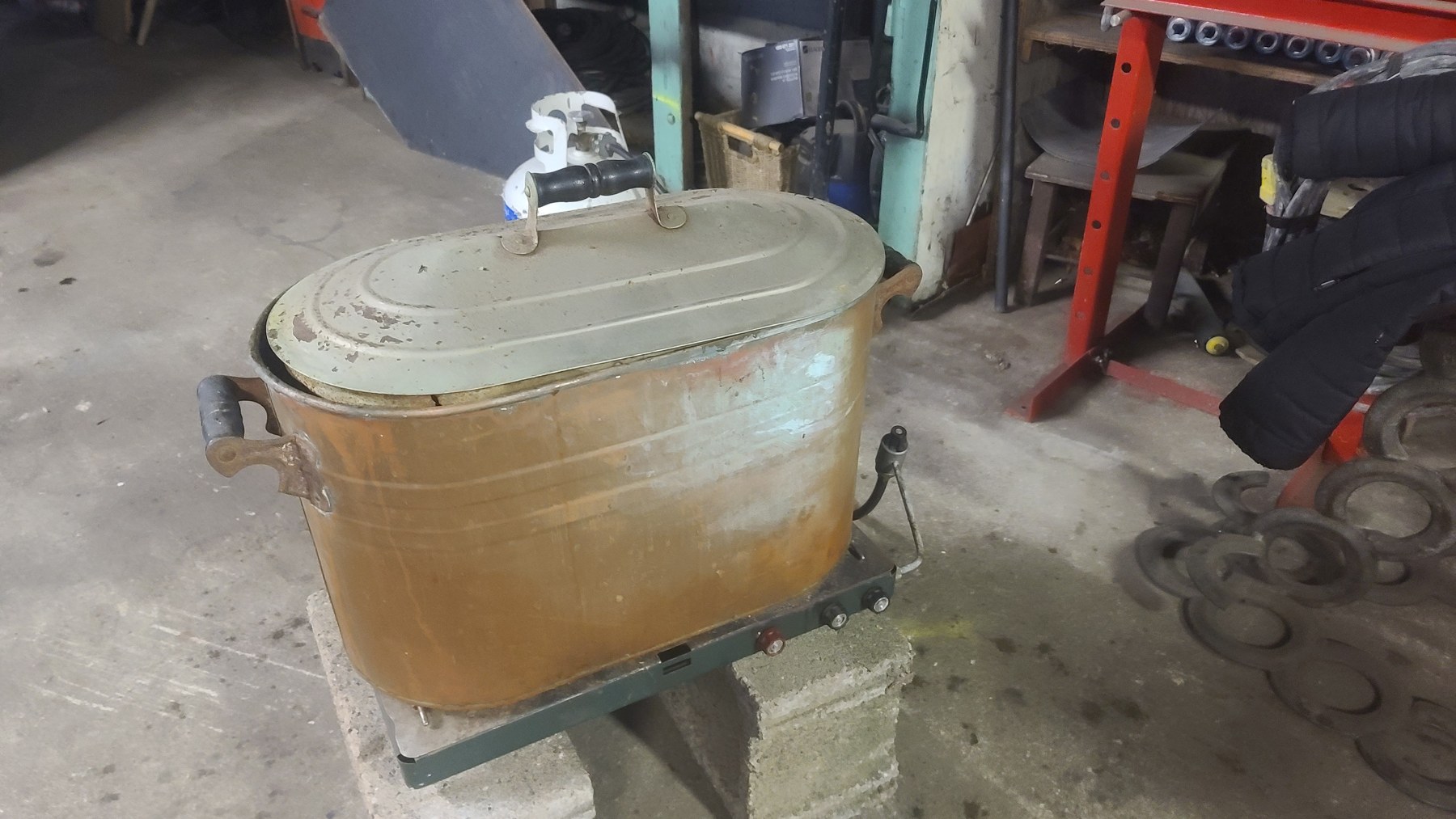
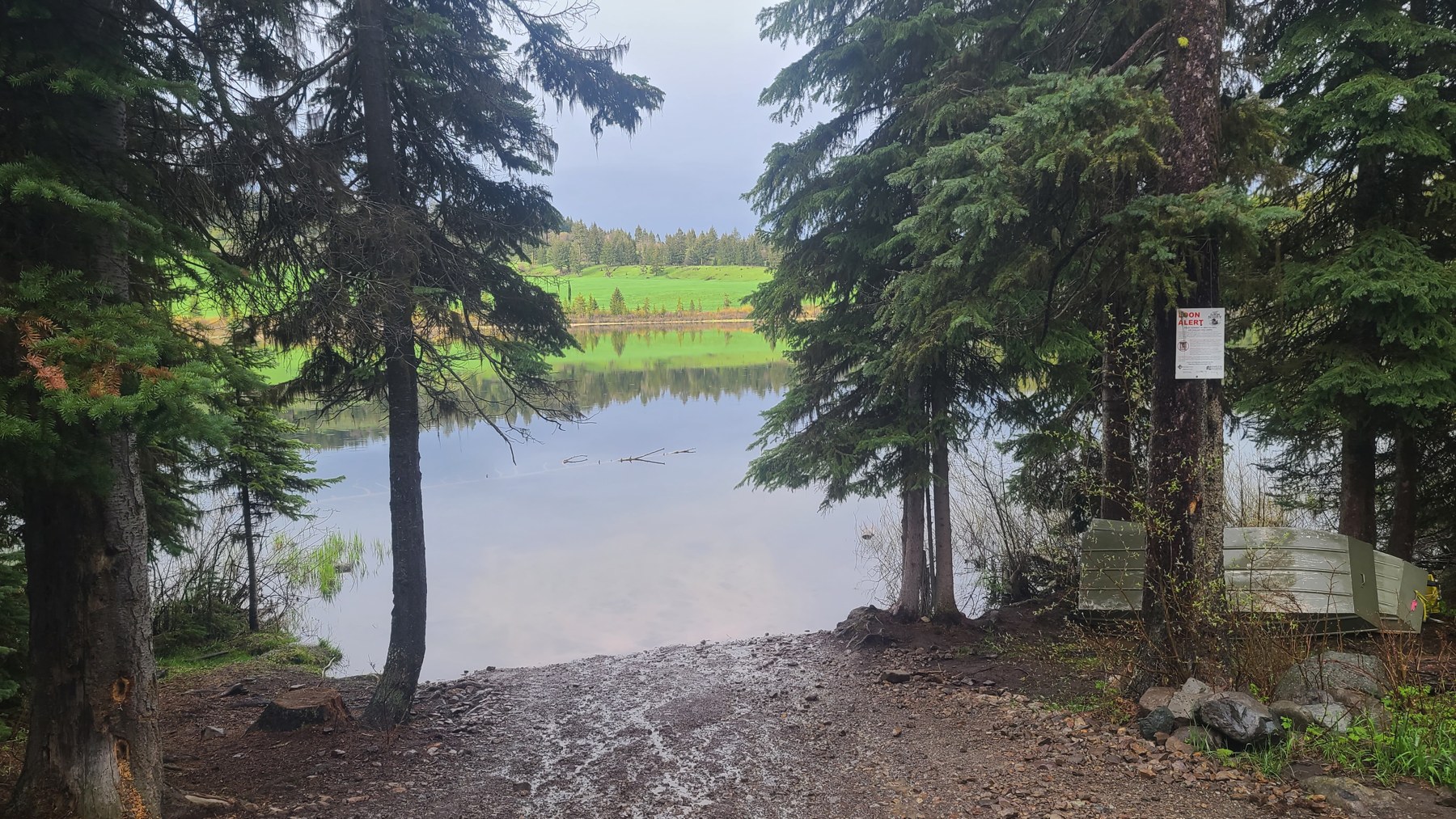
These images show the practical side of camp life: prep, packaged food, heavier cooking, shoreline atmosphere, and the evening details that make the whole setup feel complete.
Keep building the system
The fishing day includes the water, the platform, and the camp that supports both.