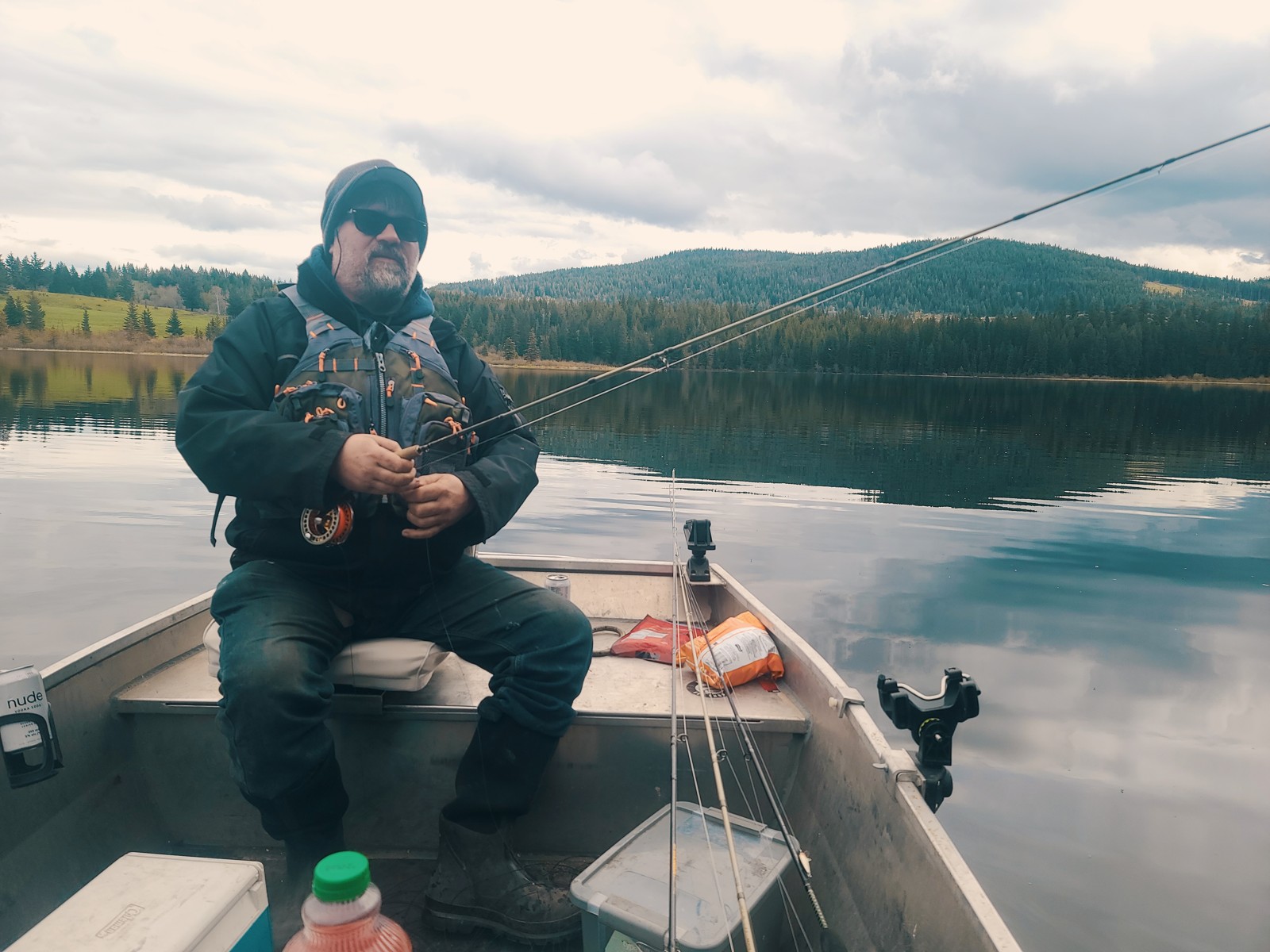
Casting
Precision delivery
Control anchor points, retrieve lanes, and boat position without overcomplicating the setup.
Trouthooker PRO Stillwater
Precision stillwater tactics, bug knowledge, gear systems, camp culture, and practical decisions built for time on the water.
Core stillwater program
Tactics, line control, and search patterns built for practical stillwater fishing.
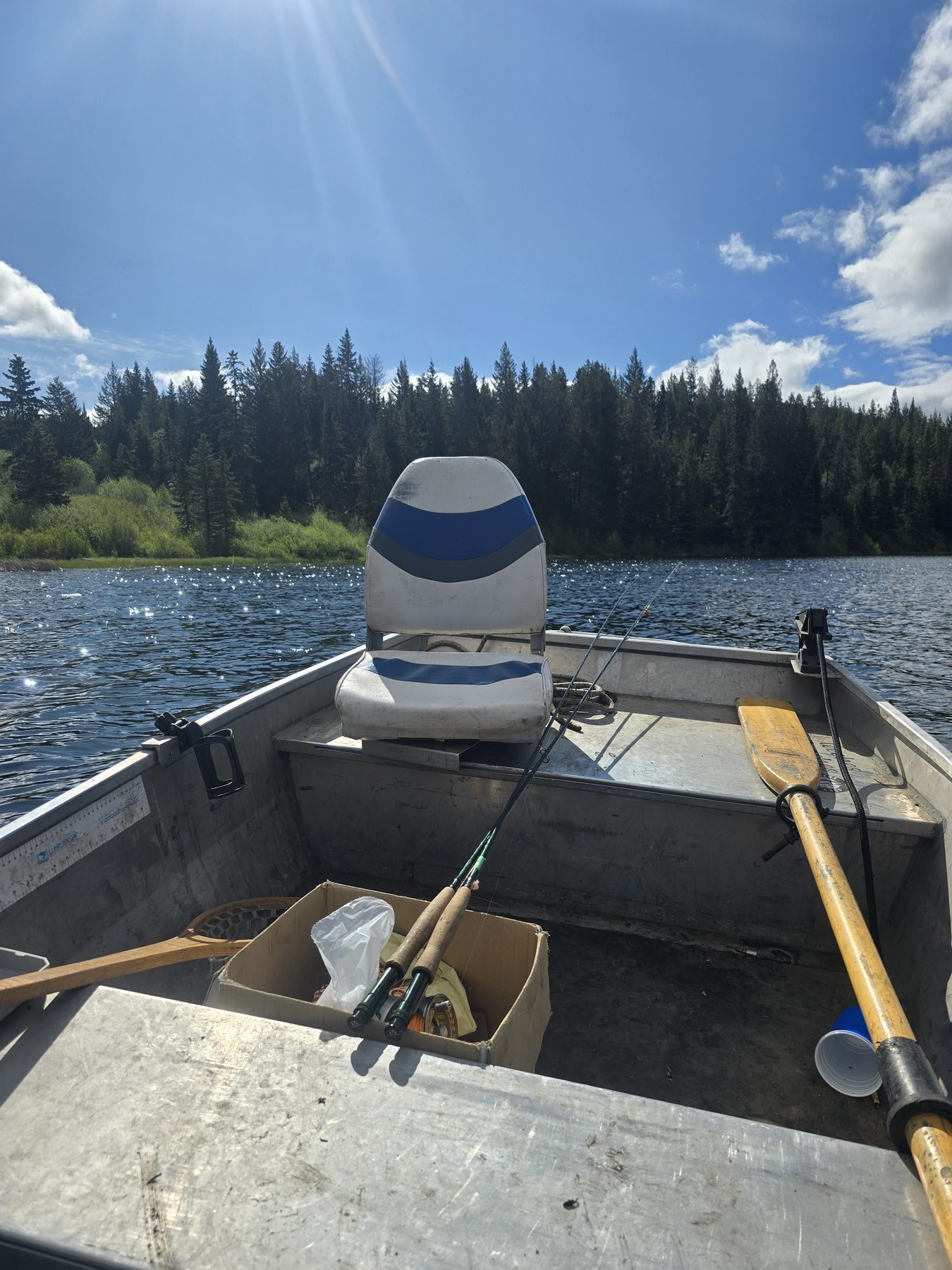
Control anchor points, retrieve lanes, and boat position without overcomplicating the setup.
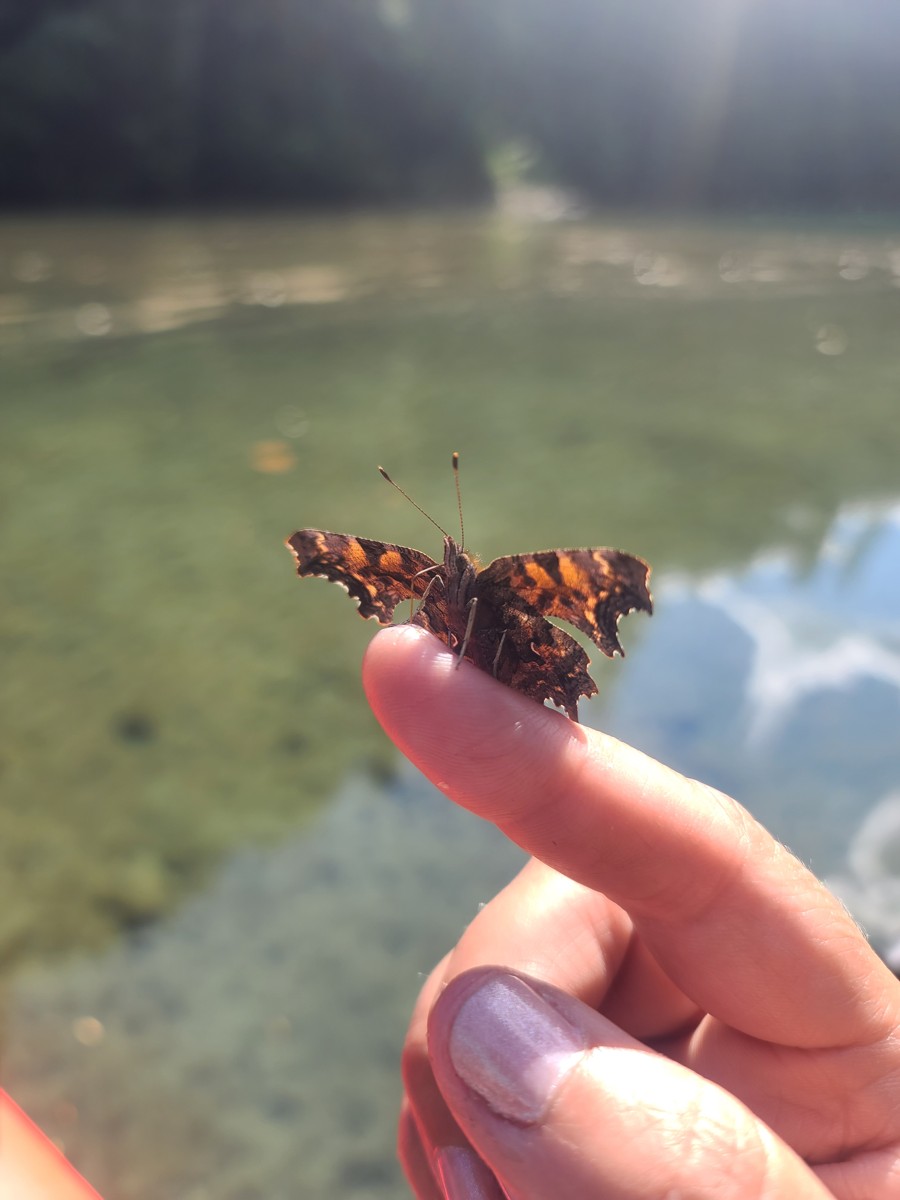
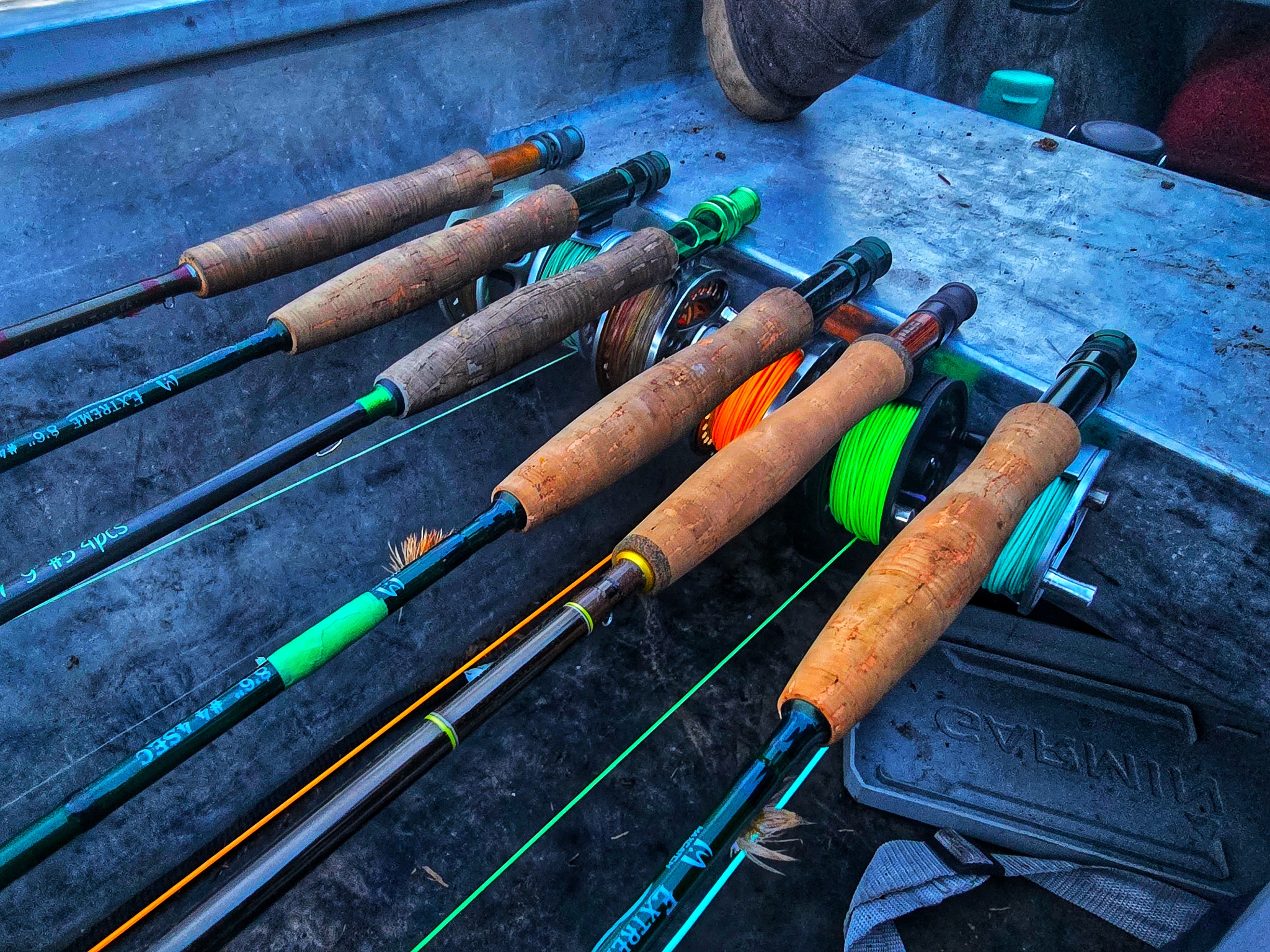
Make line choice and sink rate part of a repeatable system instead of guesswork.
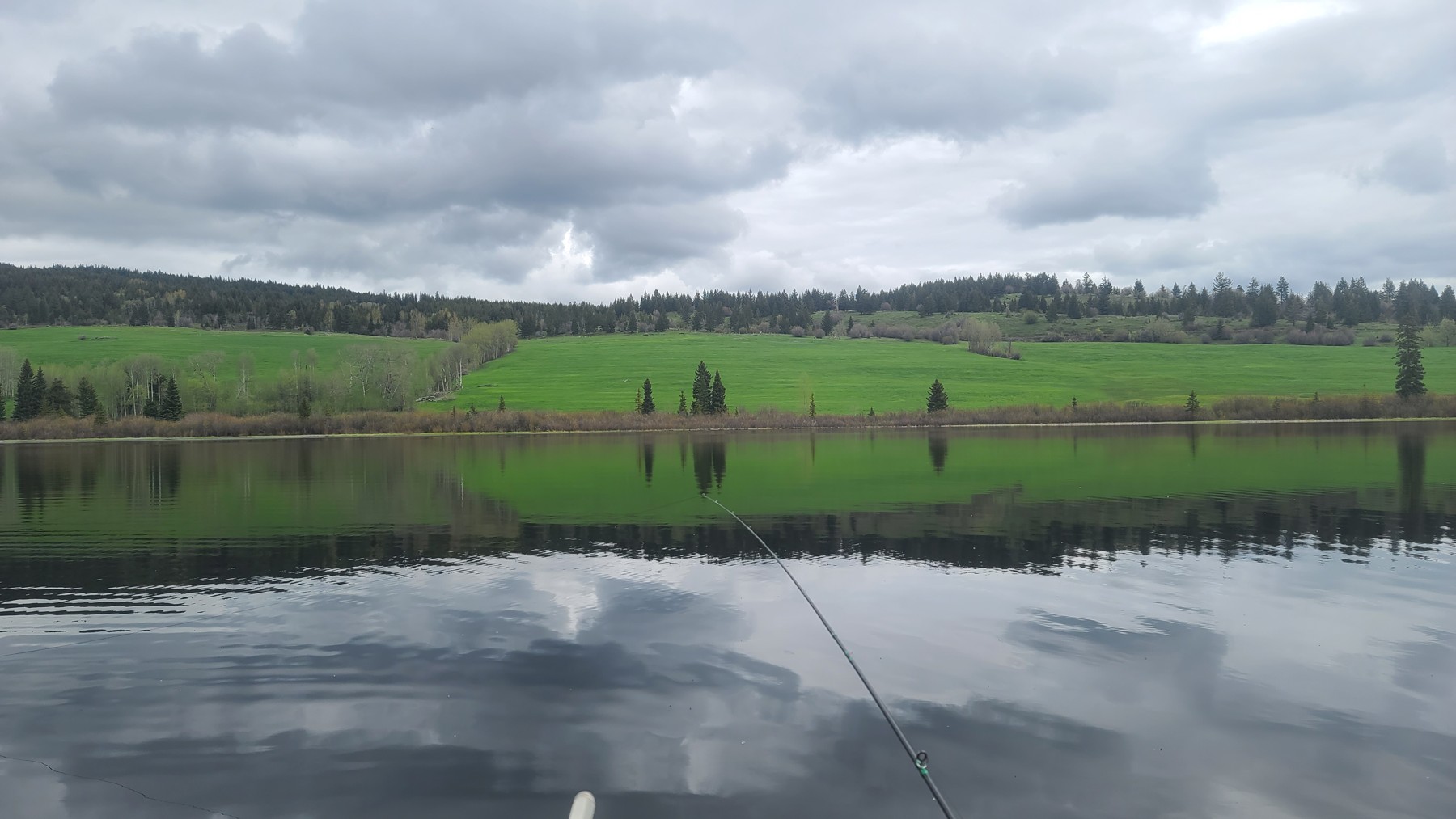
Cover water efficiently, dial depth faster, and turn each pass into a practical on-the-water decision.
Trouthooker PRO app
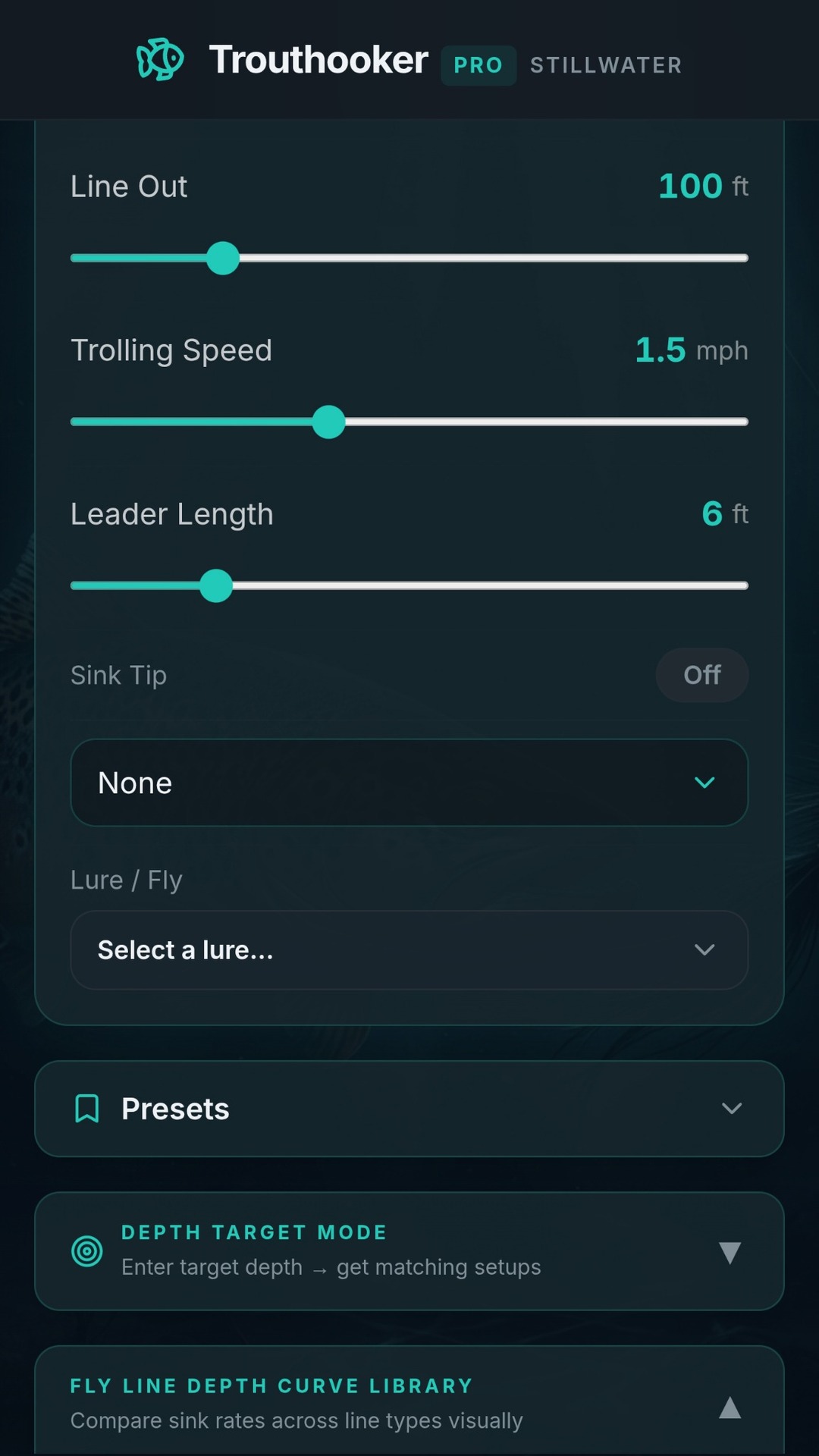
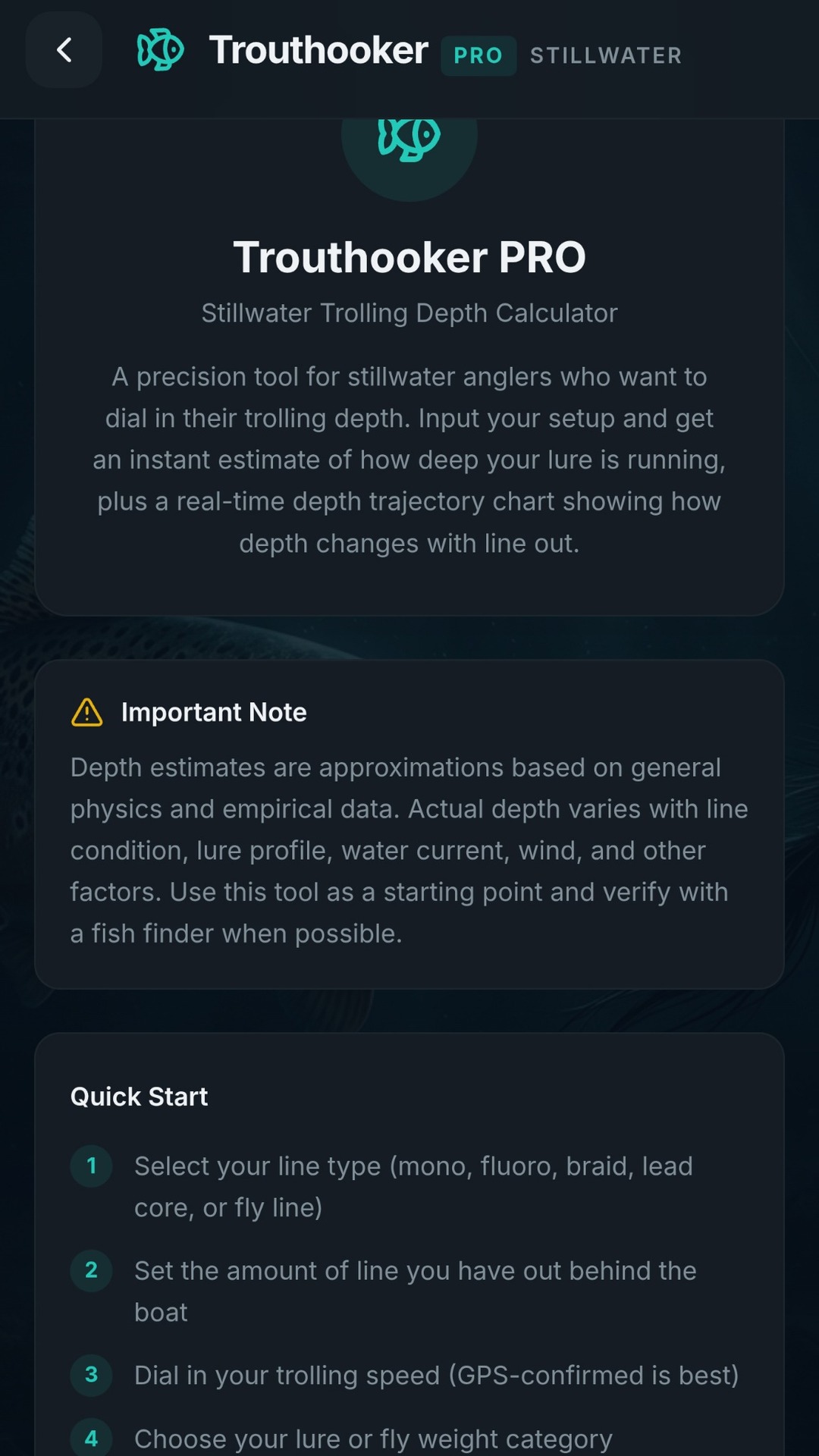
Trouthooker PRO Stillwater is a precision trolling depth calculator built for stillwater trout anglers who want to stop guessing where their lure or fly is running. The app lets an angler enter a real fishing setup, compare depth behaviour, and make better on-the-water decisions before the next pass across the lake.
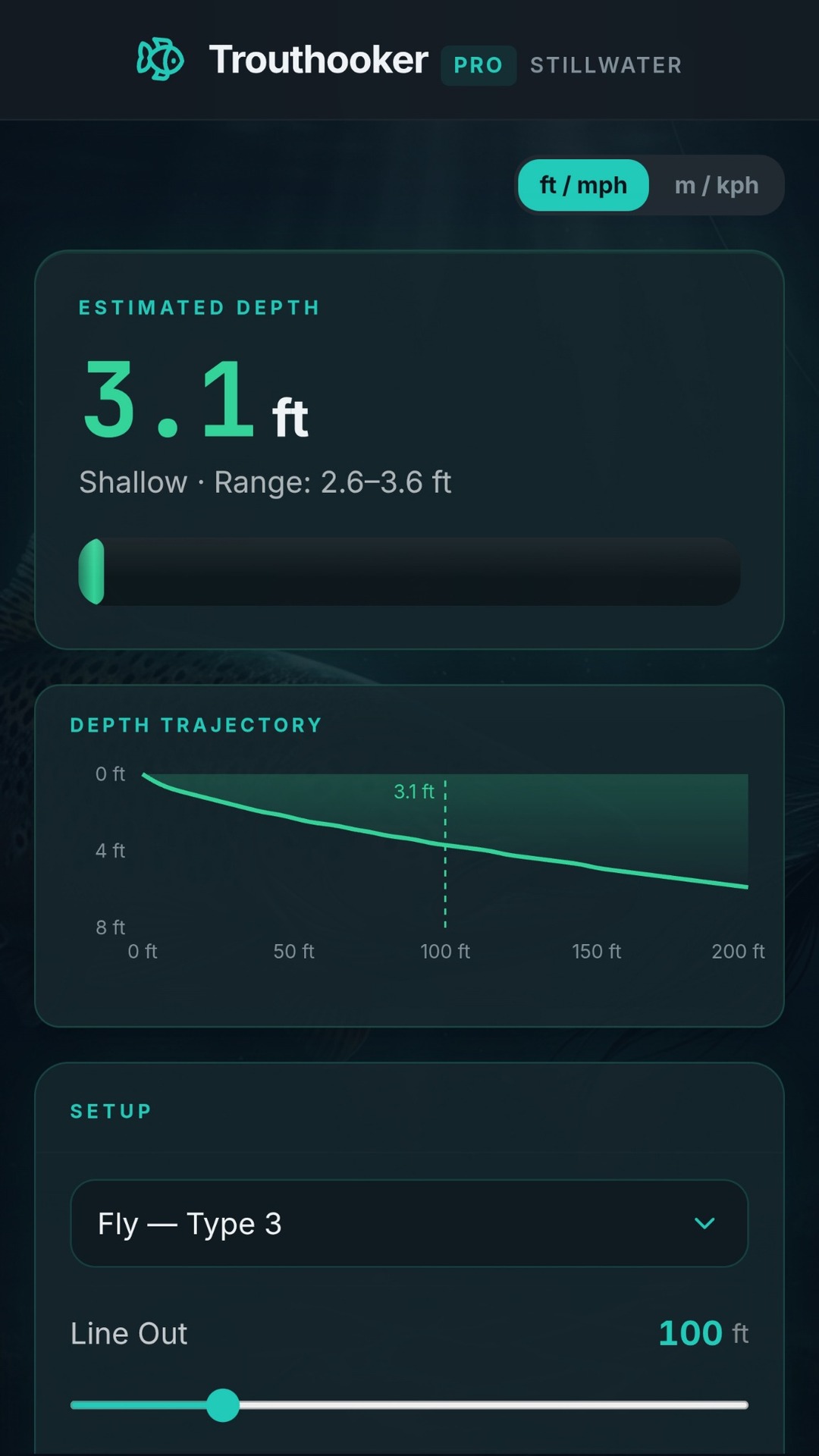
The calculator is designed around the variables that matter when trolling: line type, line out, trolling speed, leader length, sink tips, added weight, and lure or fly profile. It gives an instant estimated running depth with a confidence range, then displays a visual depth trajectory so the angler can see how depth changes as more line is let out.
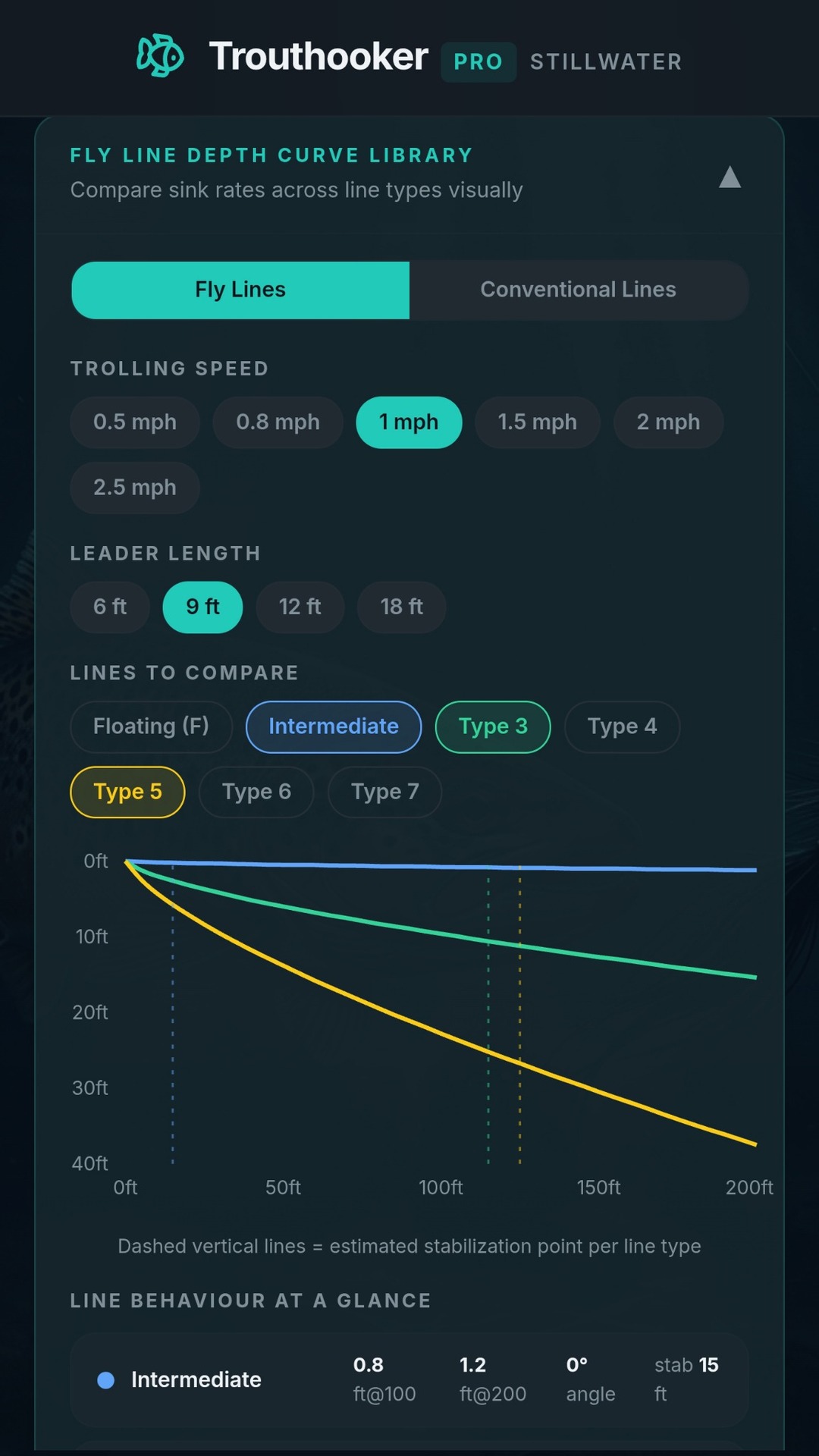
It supports conventional and fly fishing setups, including mono, fluorocarbon, braid, lead core, copper wire, full-sink fly lines, sink tips, and polyleaders. Anglers can save favourite setups as presets, compare fly line sink-rate behaviour in the depth curve library, and use target depth mode to work backward from the water column they want to fish.
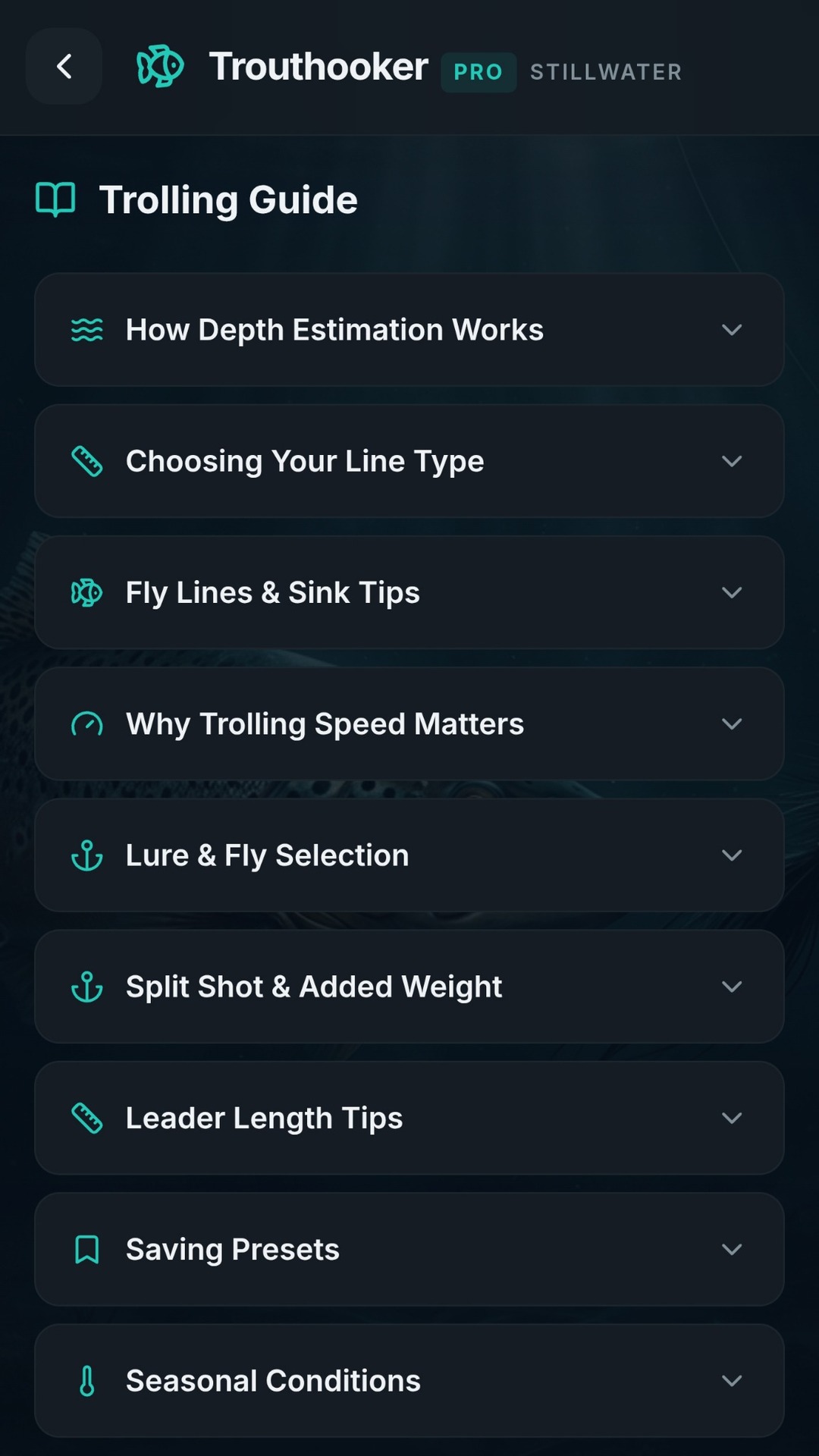
The dark, high-contrast interface is built for lake conditions, bright glare, and quick adjustments from a boat. Imperial and metric units are included, and the app is designed to be useful on the water where cell service is unreliable. Depth estimates are approximations and should be verified with electronics or on-water observation whenever possible.
This website section is a product showcase only. The calculator itself is not operational on the website.
Founder and team
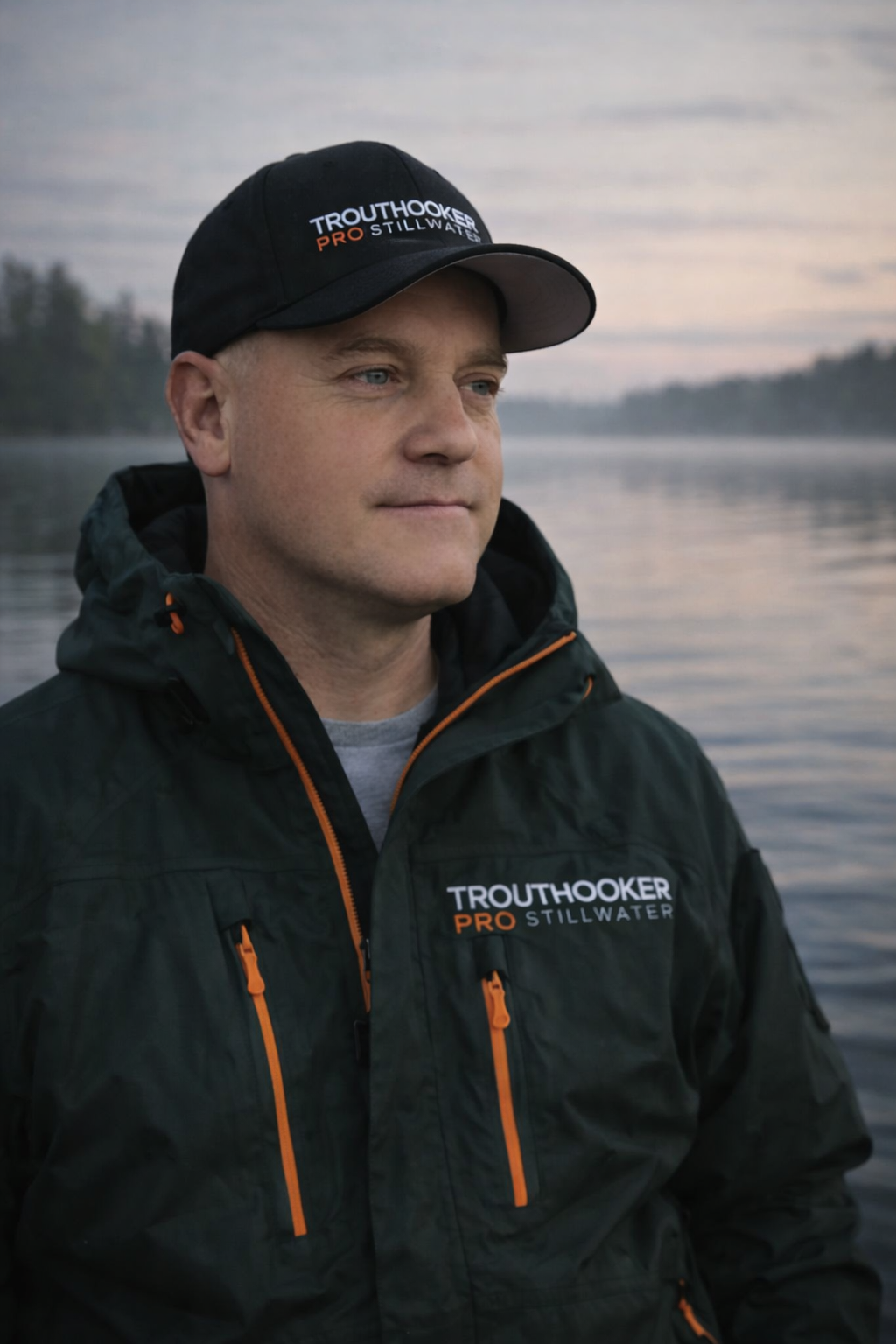
Built around real stillwater time, practical tools, and a clean visual identity.
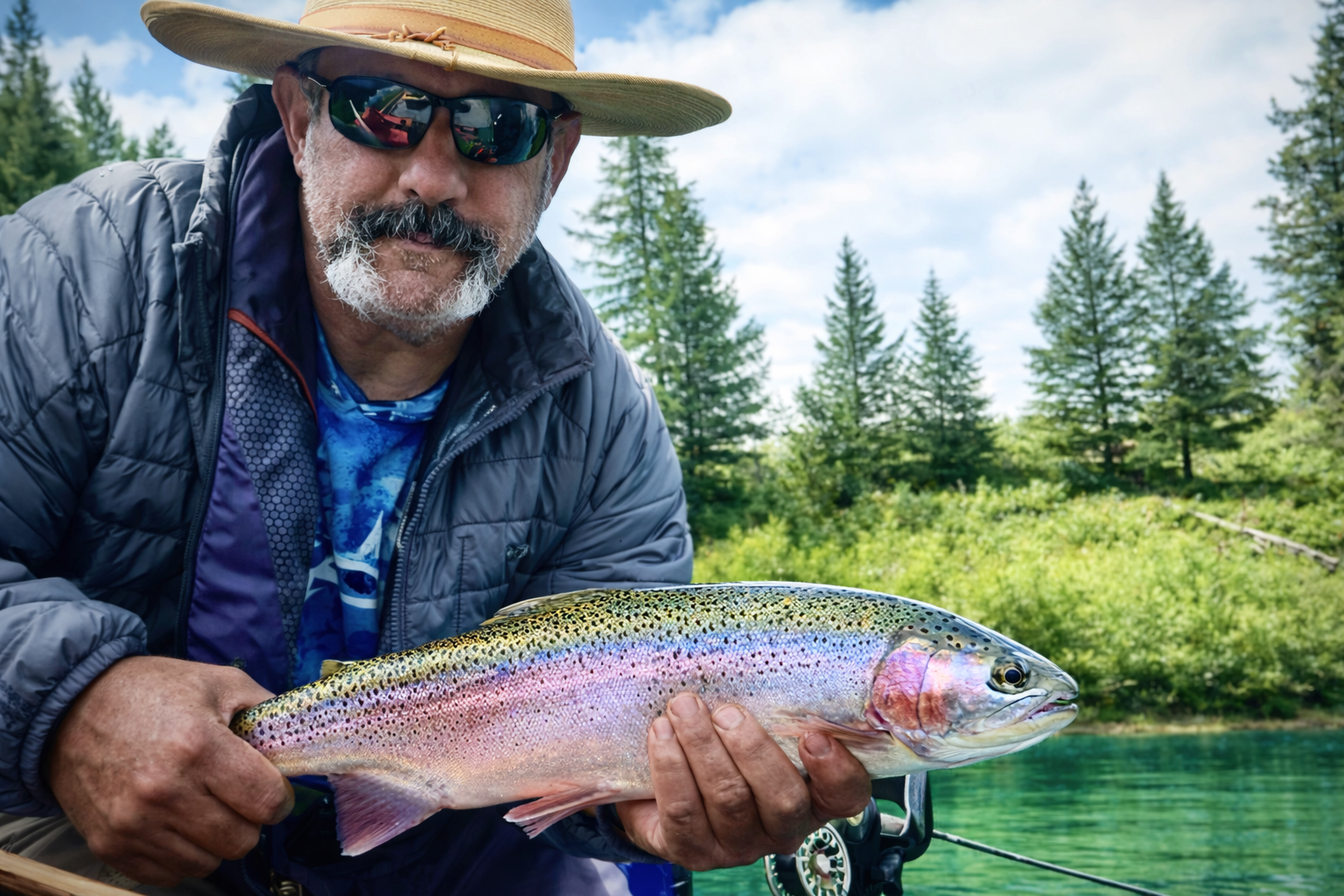
Custom bamboo rods, nets, and heritage detail that fits the stillwater culture.
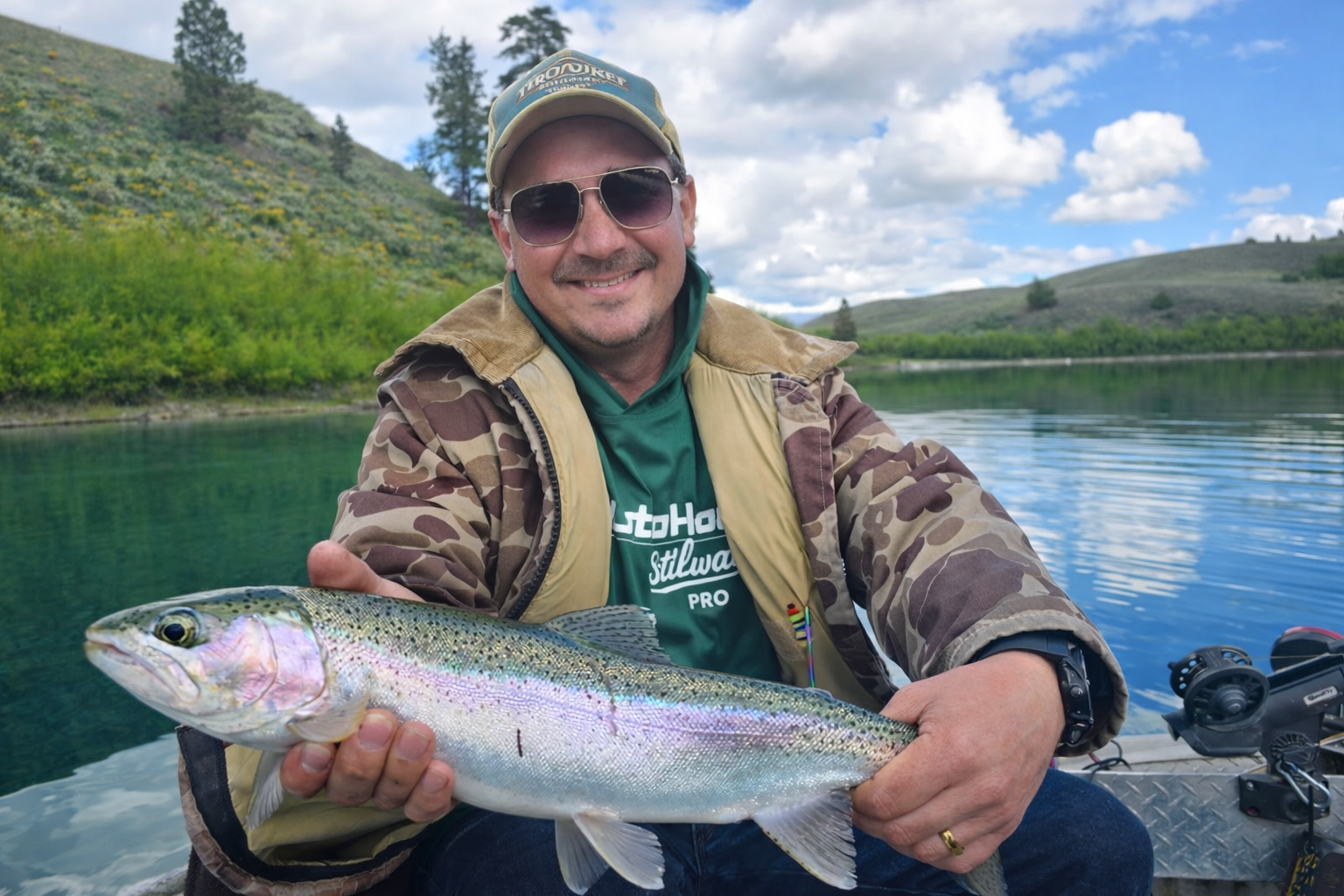
On-the-water representation of the pursuit side of the brand.
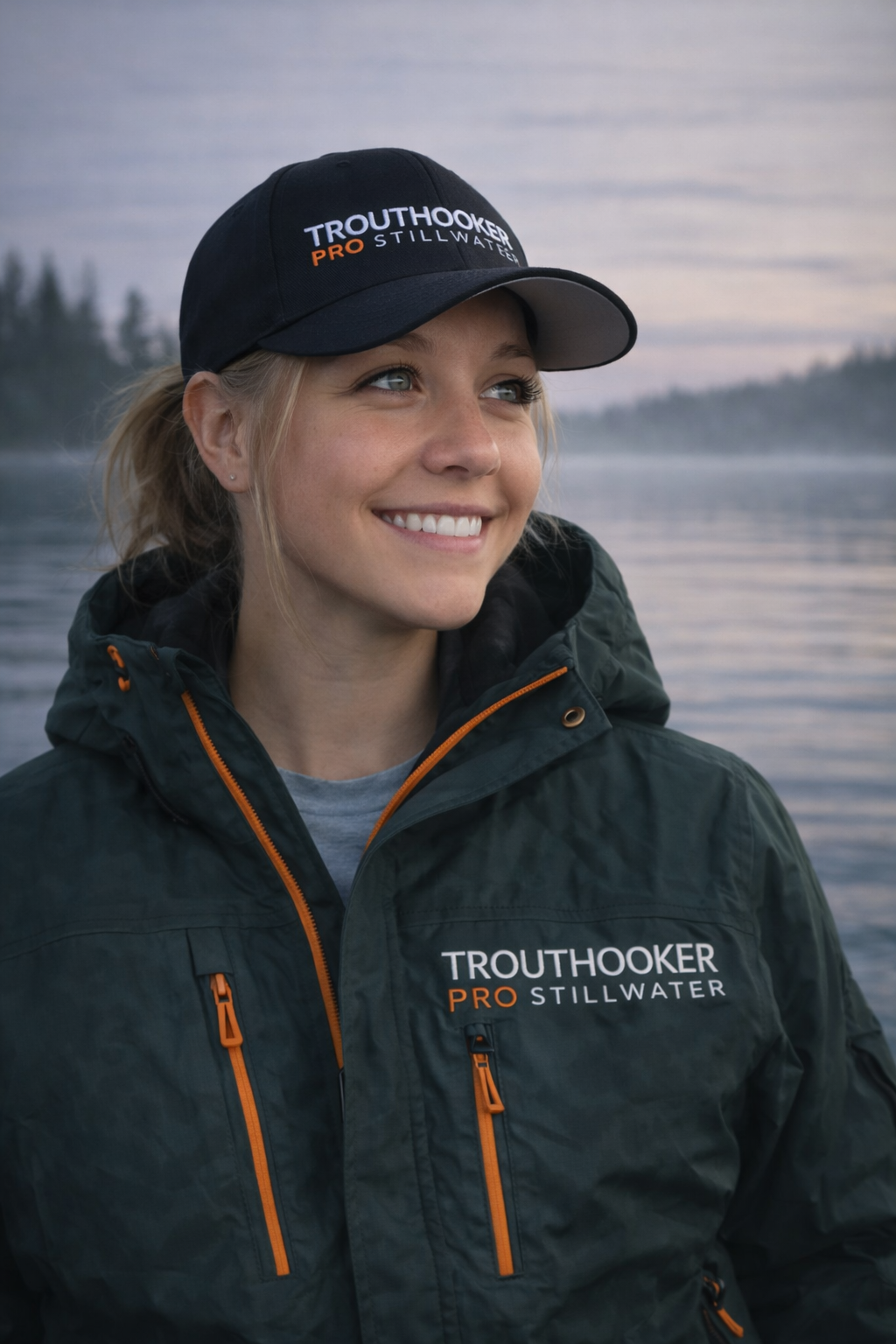
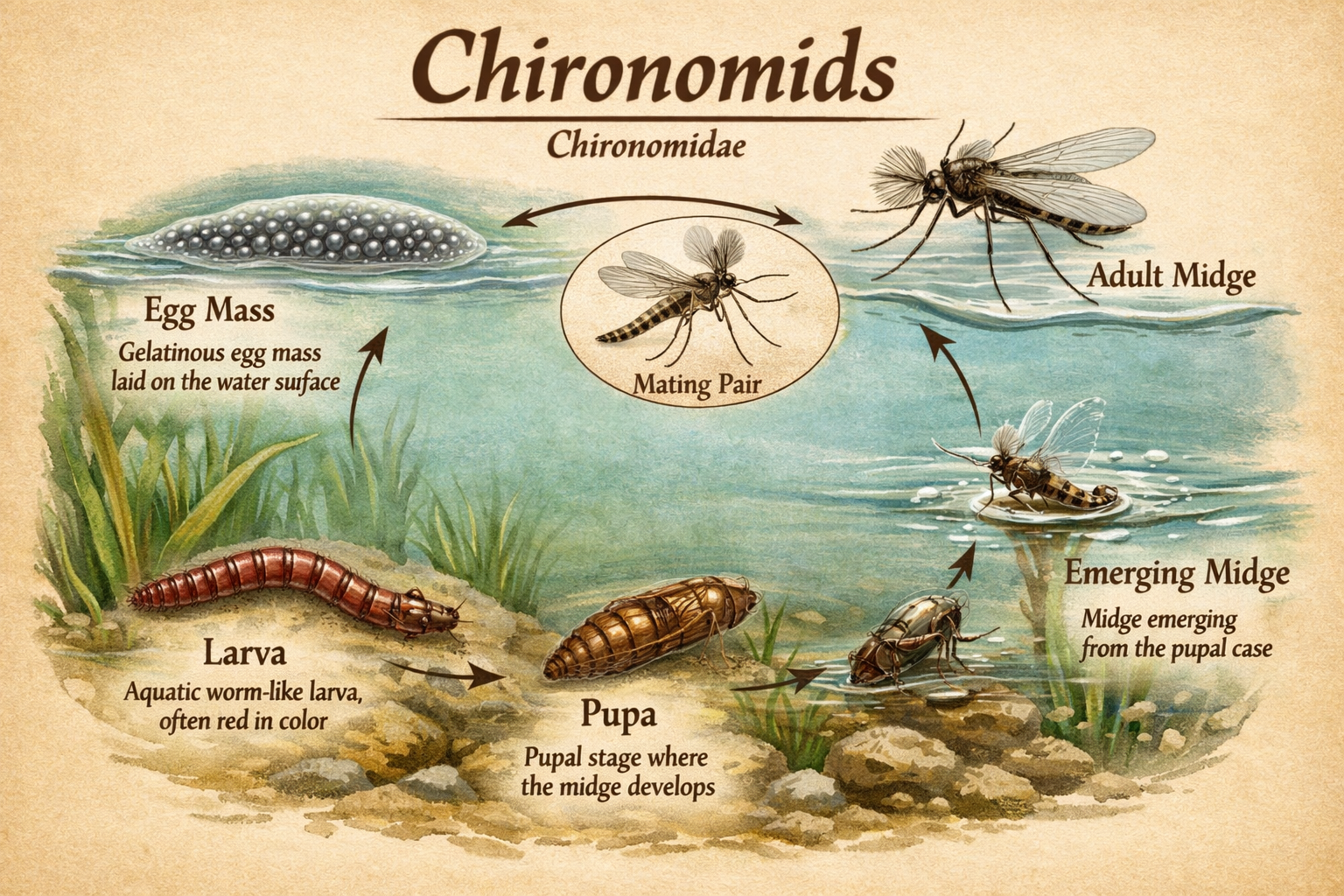
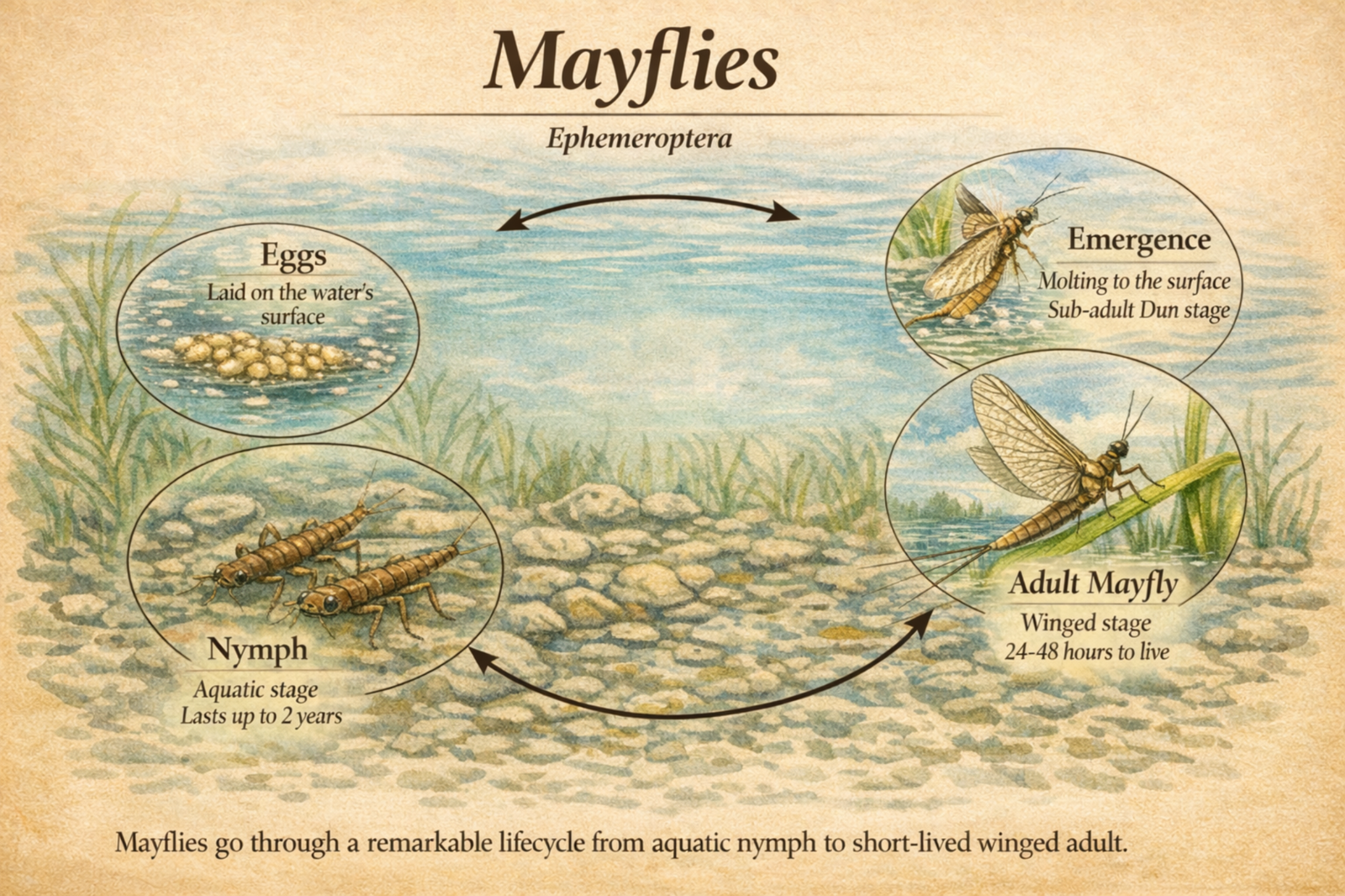
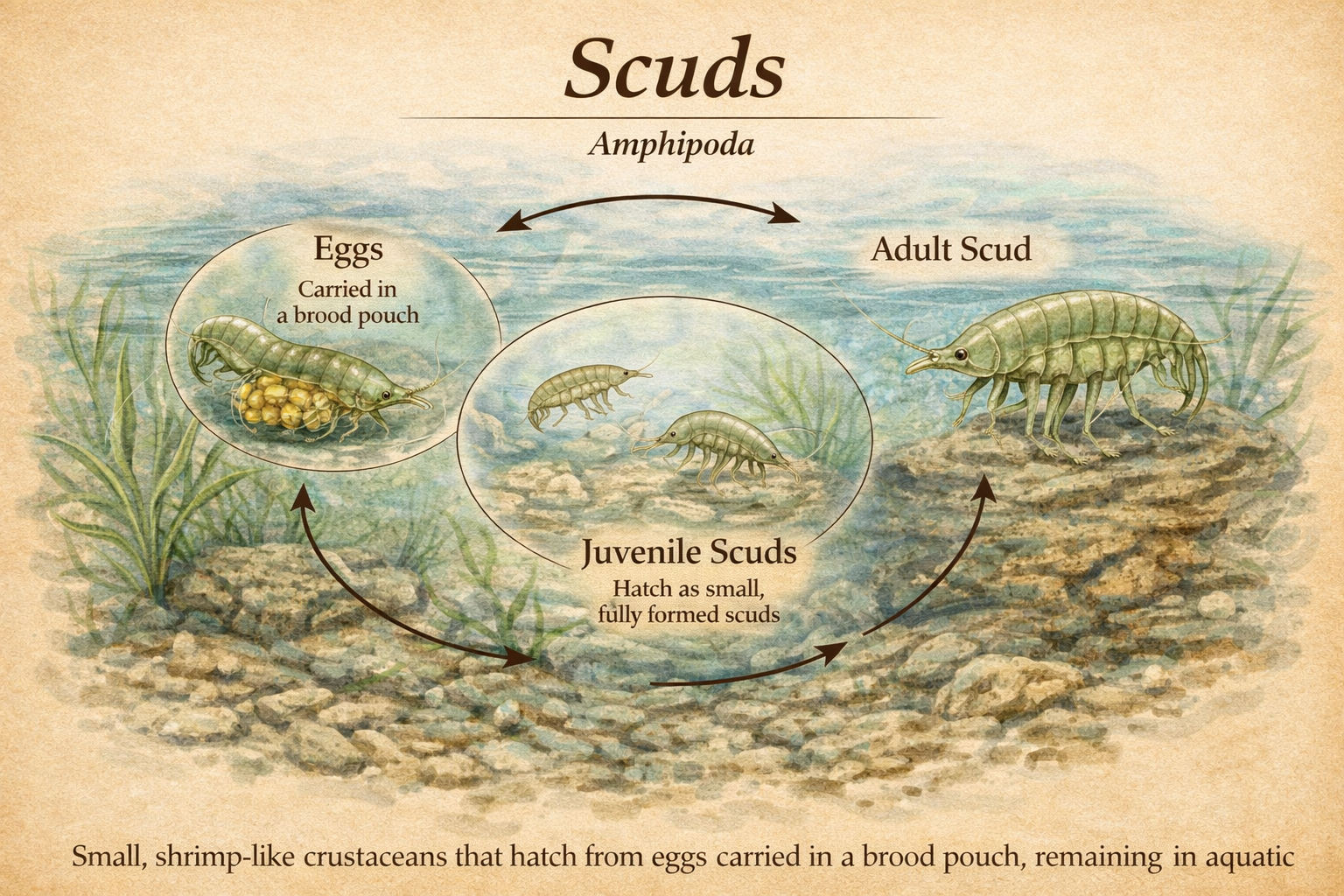
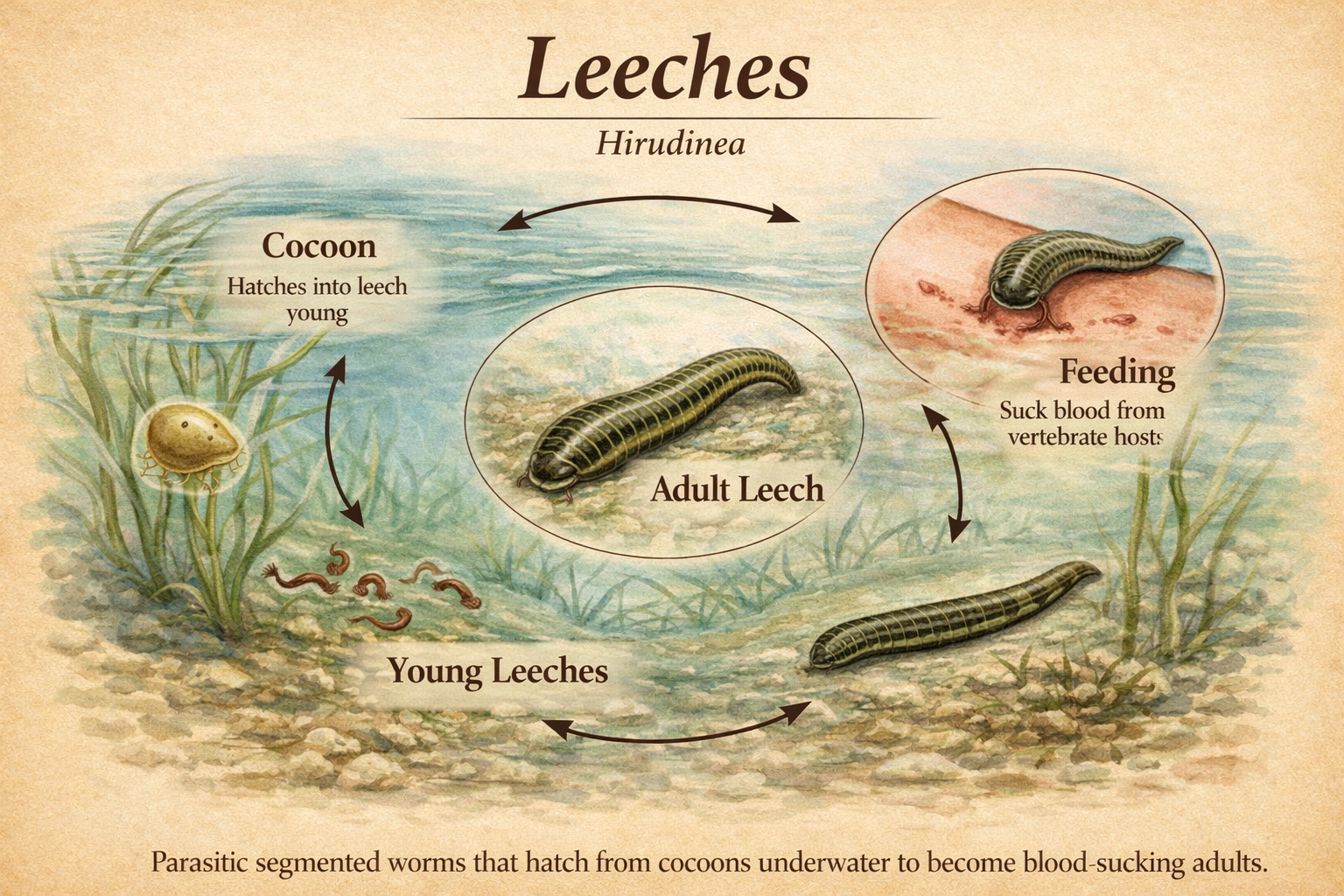
Bug-focused patterns and clean tying for selective stillwater fish.
Match the hatch
Gear systems
Camp, trouthooker, and extras
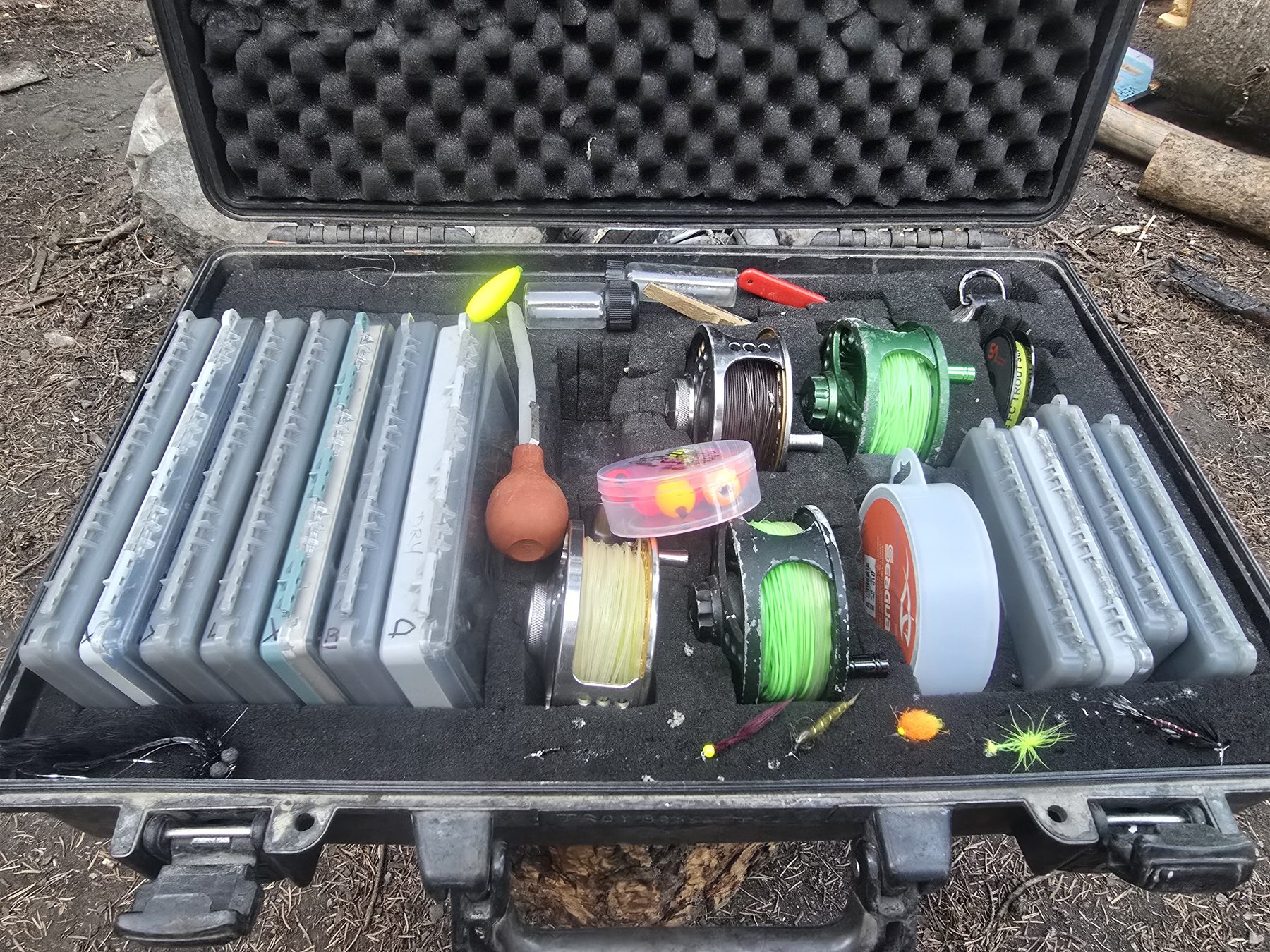
Rigging, mounting, trays, and practical launch-day organization.
Camp life, cooking flow, and the off-water side of the program.
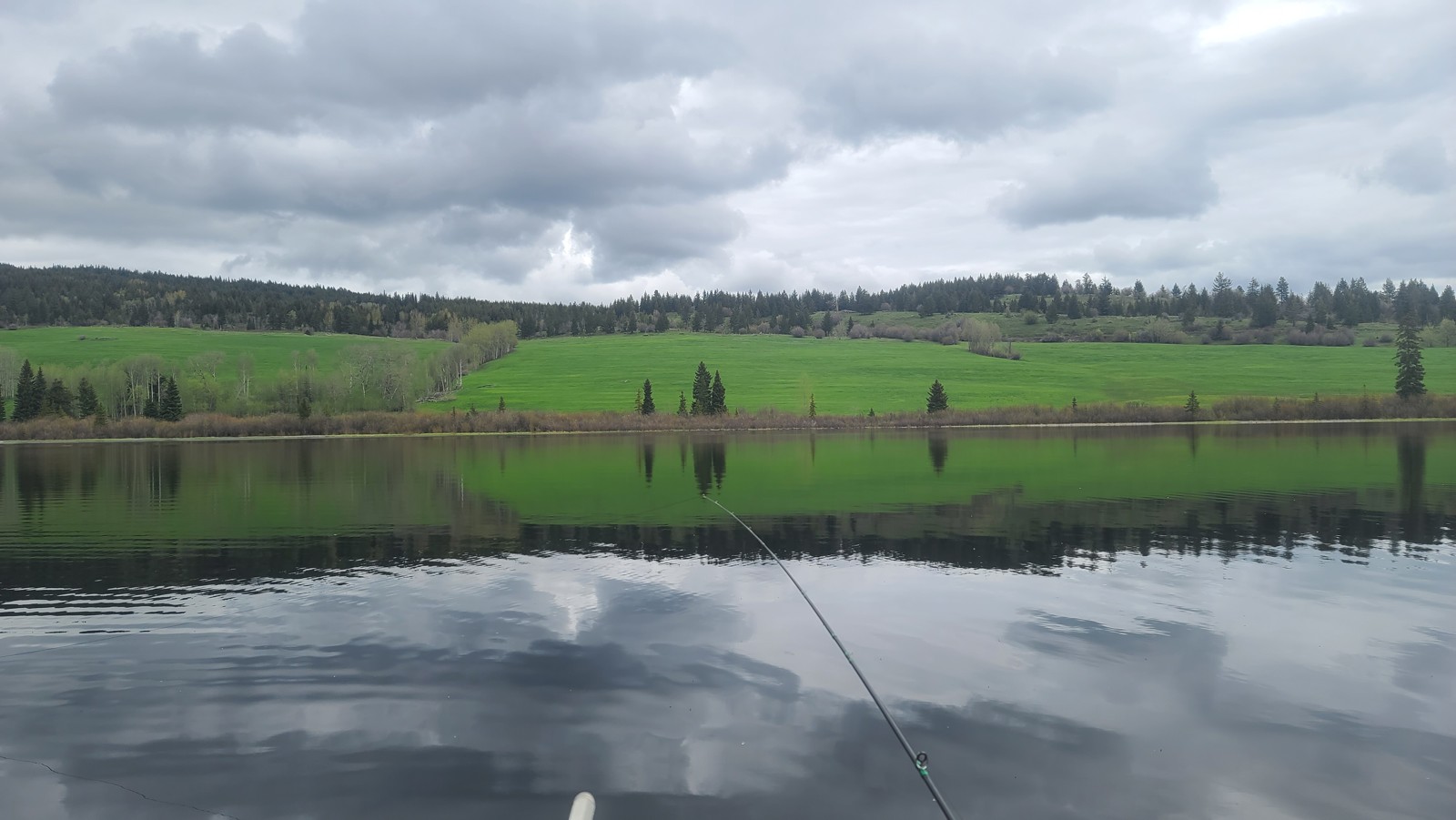
On-the-water moments, gear shots, fish, and camp visuals.

Featured water
Connect
Keep the contact options simple and visible, without burying them at the end of a very long mobile page.
Email: trouthookerpro@gmail.com
Instagram: @trouthooker_pro
Instagram: @trouthookerflies
YouTube: @TroutHookerProStillwater